Europe - Morocco
The year 2019 arrived. I was 18 and had just finished secondary school, so after years of talking about a great journey I could finally act. I was still no master of saving, so I had less than 500 euros for the next expedition. The plans, though, were huge — I wanted to hitch-hike around the world.
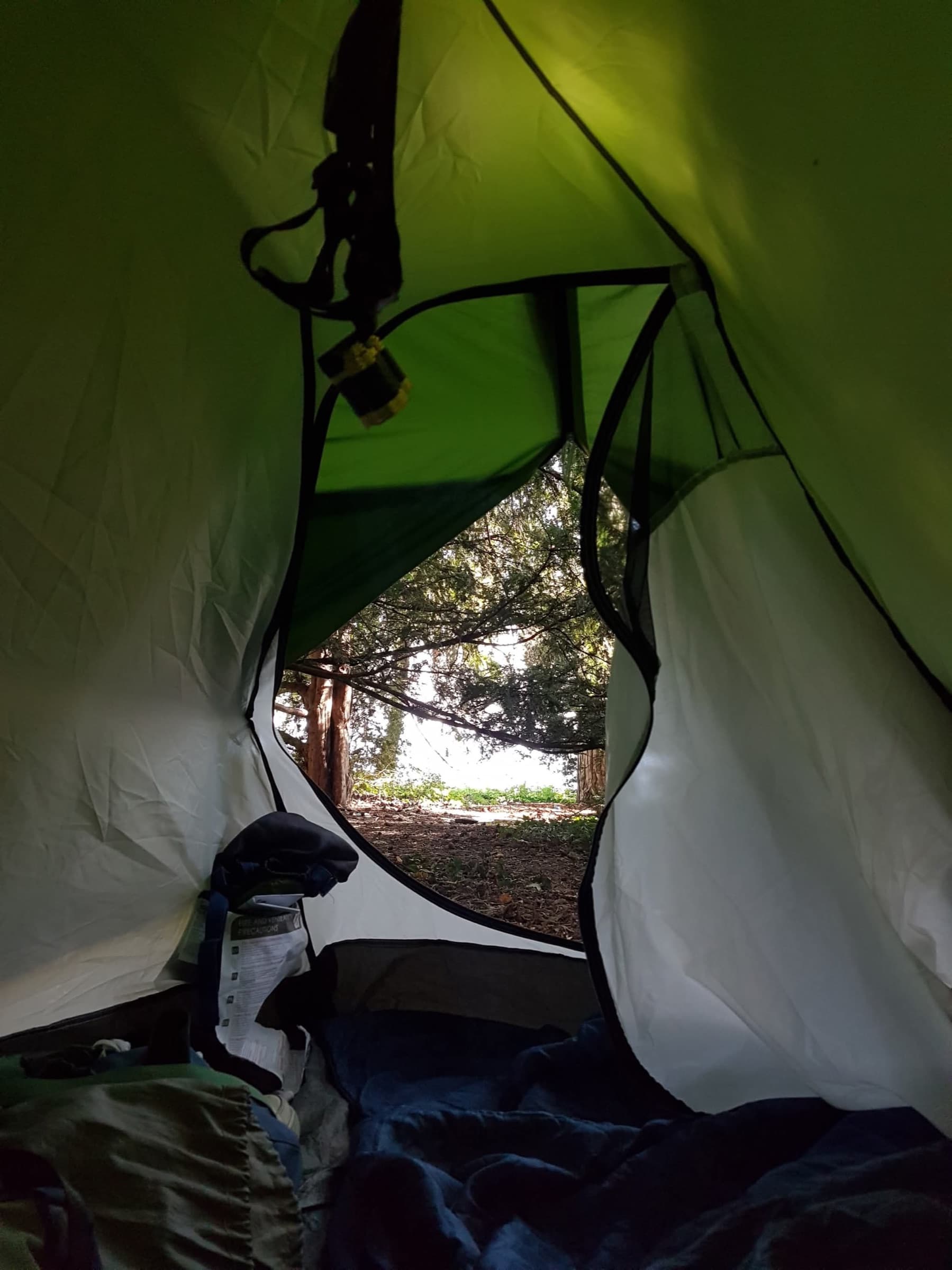
I set off intending to reach Gibraltar and hitch a yacht there across the Atlantic. The start was promising, because the first lift I caught in Wrocław took me all the way to Geneva in Switzerland. In a park by Lake Geneva I spent my first night alone in a tent.
I was completely inexperienced at travelling solo then, and I will never forget that night. Every sound, even the slightest, coming from the dark built the darkest scenarios in my head. I did not sleep much, but the next day I moved on.
That same day I found myself in France, where hitch-hiking culture is really well developed. I reached Lyon, and from there an older German on holiday to Montpellier picked me up fairly quickly.
I was inexperienced, but my intuition did not let me down. At one point we left the motorway, and after a quick look at the map I realised we were going in the opposite direction from Montpellier. My heart leapt into my throat, but I stayed calm and politely told the driver that he had probably taken the wrong road. He tried to convince me we were on the right route, so I turned on navigation and passed him my phone. Clearly flustered, he turned round, and after a while we stopped at a petrol station.
He said he was tired and wanted to rest, and would only set off for Montpellier the next day. He suggested we pitch a tent and sleep together, then leave at dawn. I said I was short of time, got out and started hitching for another lift.
Unfortunately it did not look as if anyone was going to stop. The sun was going down slowly, and the moment the man lost sight of me I grabbed my backpack and ran deep into a nearby wood. That is where I spent the night.
The next day I was picked up by young French women, who dropped me somewhere terrible for hitching on. I had to walk about 15 kilometres before I found a decent spot, but in the evening I managed to reach Montpellier.
From there the mission was simple — Barcelona. I waited at the motorway tolls with a lot of other hitch-hikers. After about two hours my turn came, and not long afterwards I was already in the capital of Catalonia.
Barcelona made a good impression on me at once, so I decided to stay a while and look around. I found a place where, for a small fee, I could leave my backpack, then hired a bicycle for the whole day.
While I was looking around the city I heard interesting-sounding music coming from under the Arc de Triomf. Under the famous arch three men were playing instruments I did not know then. Opposite them sat a girl who was drawing the whole scene. I could not help myself, and after a few minutes of gathering courage I went up to her to ask her name.
L. turned out to be an unusually warm person, and she knew the musicians as well. When they finished playing we went together to a nearby park, where we had the chance to get to know each other a little better. It turned out the whole crew lived in squats around Barcelona.
One of the guitarists, an Argentine named Franco, suggested I go with them and rest. Excited, I agreed without much thought. A moment later we were already sitting in a falling-apart car which, with the stubbornness of a maniac, making a whole range of worrying noises and cutting out every few minutes, finally made it to the top of Tibidabo.
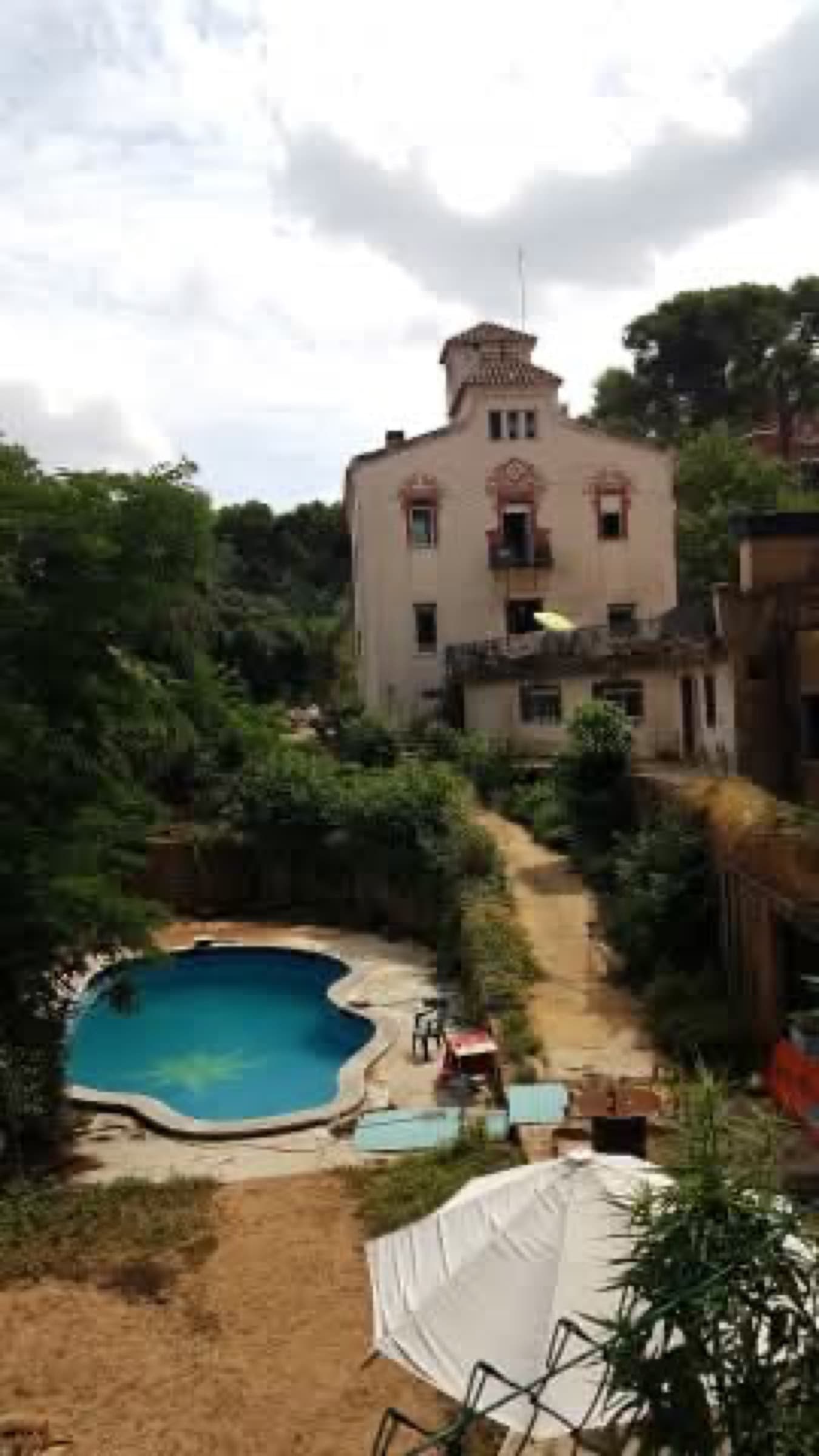
That was where the community's main squat stood — “El Experimental”. It was a beautiful place, and I think many people would be surprised to see how well kept a squat can be, and how full of real artists and people with passion.
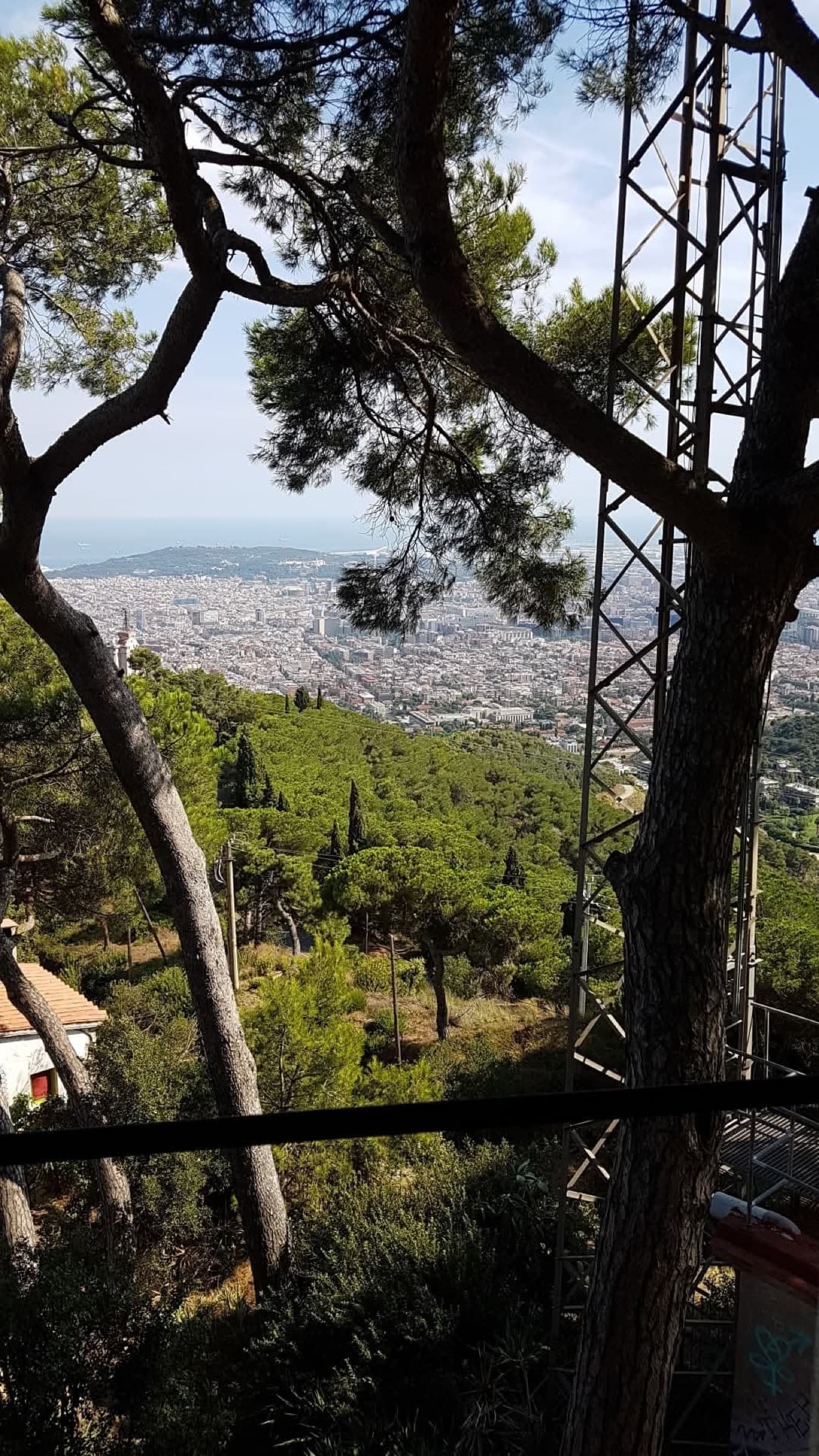
El Experimental was in an old Catalan villa. The most beautiful old furniture, chandeliers and other objects thrown out onto the streets by the city's residents were carried into it. Almost every wall was covered with paintings by the artists who lived there. The whole place was huge, and at the top there was a tower with a view of Barcelona and the Mediterranean.
The next day, because of the number of people living there, I was moved to a nearby squat called “Casa Rosa”. It had been a brothel, turned into an unusually cosy place to live. In the garden there was even a large pool dug into the ground, and around it grew vegetables, fruit and herbs.
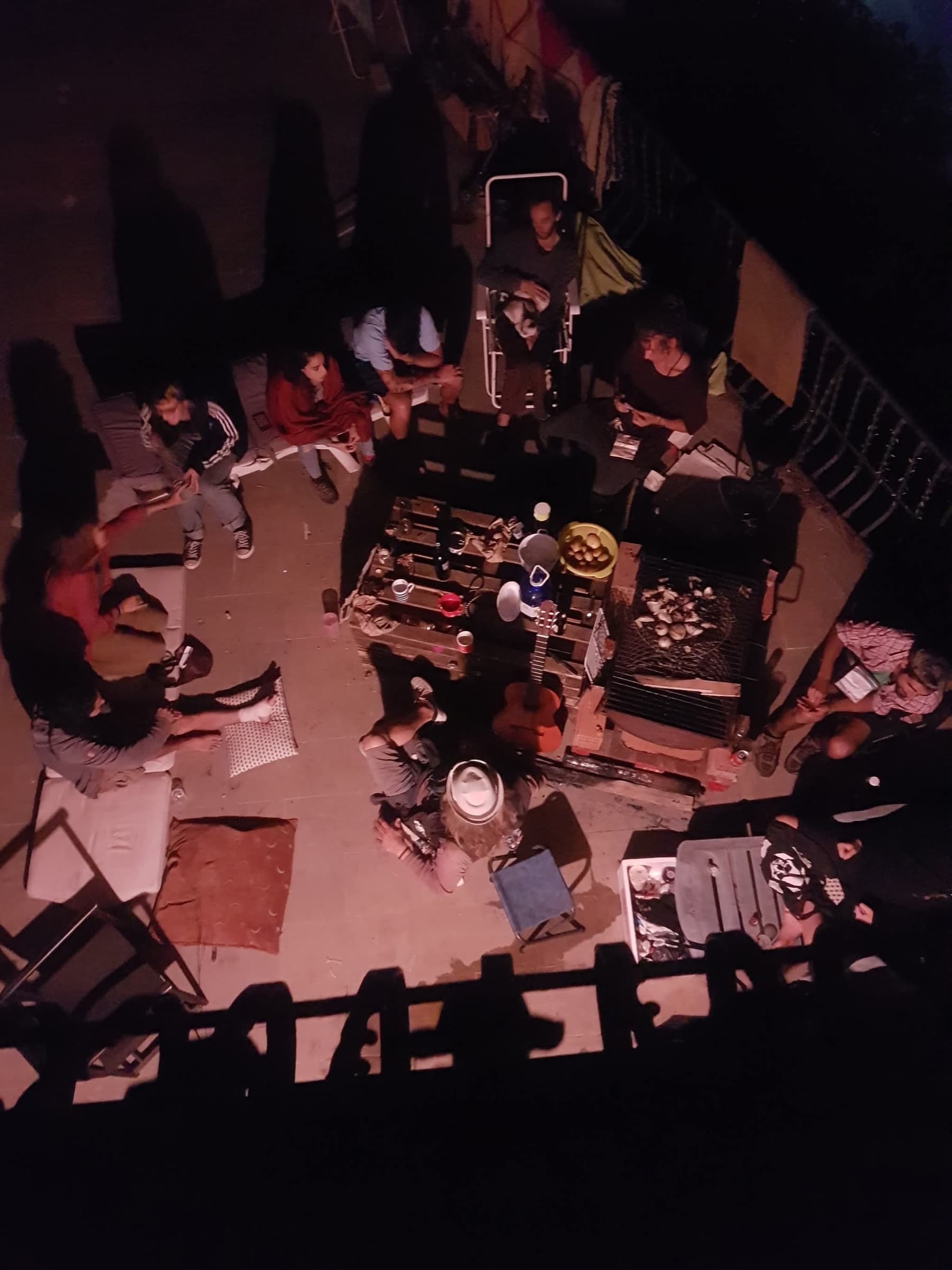
After a few days I was accepted as a new member of the community and given the green light to set up my own room in the library. In the end I spent more than a month there.
The skills I picked up then helped me enormously later in the journey. I learnt to make bracelets, to juggle, to find good food thrown out by bakeries, restaurants and supermarkets, and I learnt the basics of Spanish. I am convinced that without all those skills my journey would have been much shorter.
To this day I wear a necklace around my neck with a stone from El Experimental. A Brazilian, Tomas, made it during our shared braiding lessons.
After more than a month I felt it was time to move on. Spain is not an easy country to hitch-hike, and after a whole day of trying it was only just before sunset that someone took me to Alicante.
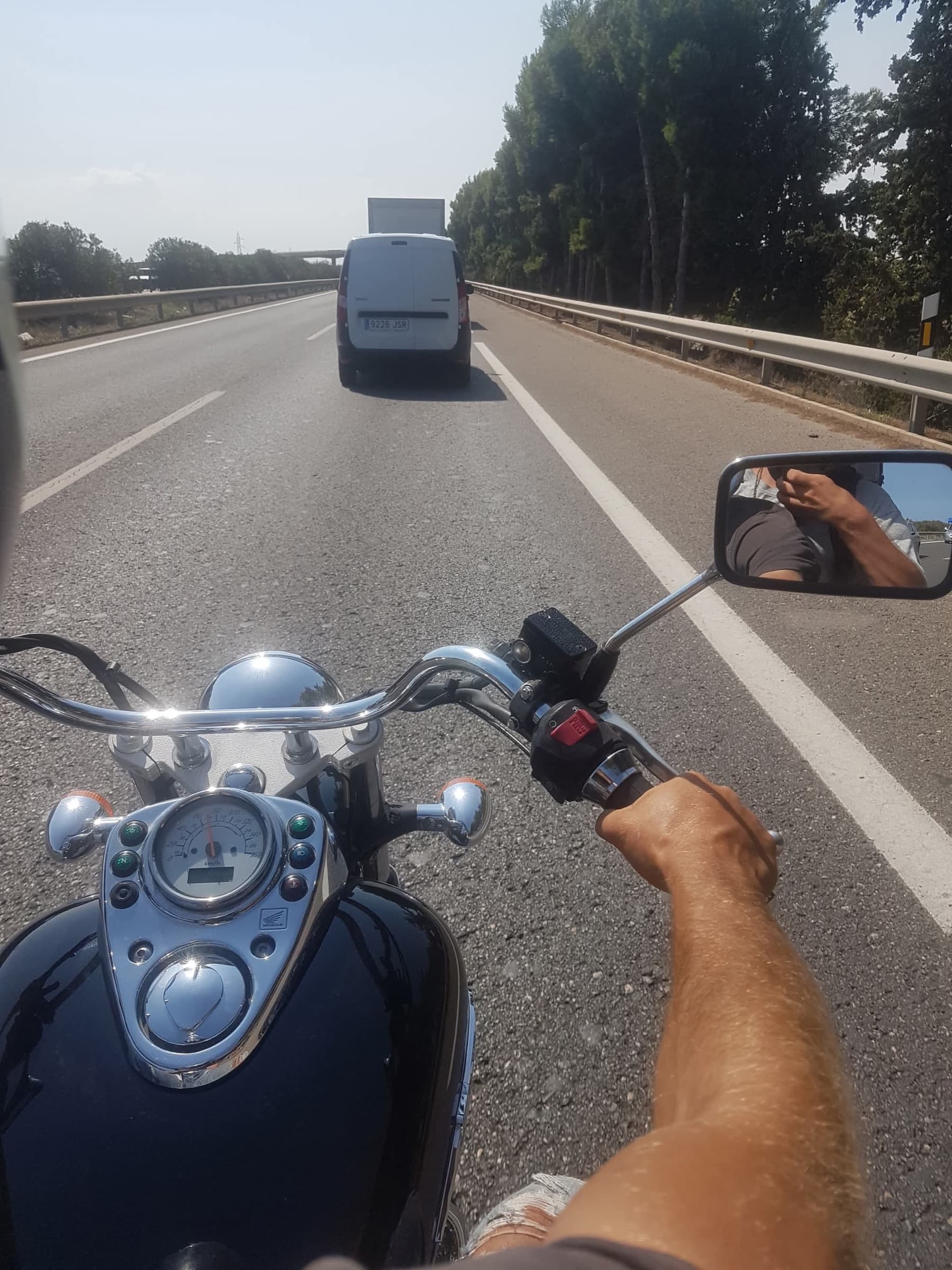
The next day a motorcyclist picked me up from the road. First he took me to nearby hot springs, then dropped me on the motorway leading towards Málaga. From there I ended up in a workers' van full of immigrants. They took me to a small town where I did not feel particularly safe, so I decided to get to Málaga by bus and leave that place as quickly as I could.
I reached the city at about four in the morning, completely worn out. I went straight to the beach to carry on sleeping. In the afternoon I got to Marbella, and from there to La Línea de la Concepción — a town right on the border with Gibraltar.
I walked across to the British part of the peninsula and went to a bar hoping I would meet someone there. After the wonderful time in the Barcelona squats I was starting to miss company again.
To my surprise the barman who served me was from Wrocław. He offered me a place to stay in his flat. Later it turned out that he was wanted in Poland on a warrant, though he never told me for what. Besides working in the bar he earned extra by helping local criminal organisations smuggle hashish from nearby Morocco.
Without going into details, after two or three nights I decided I would rather sleep in the street than stay with someone living such a risky life. I simply did not feel safe there.
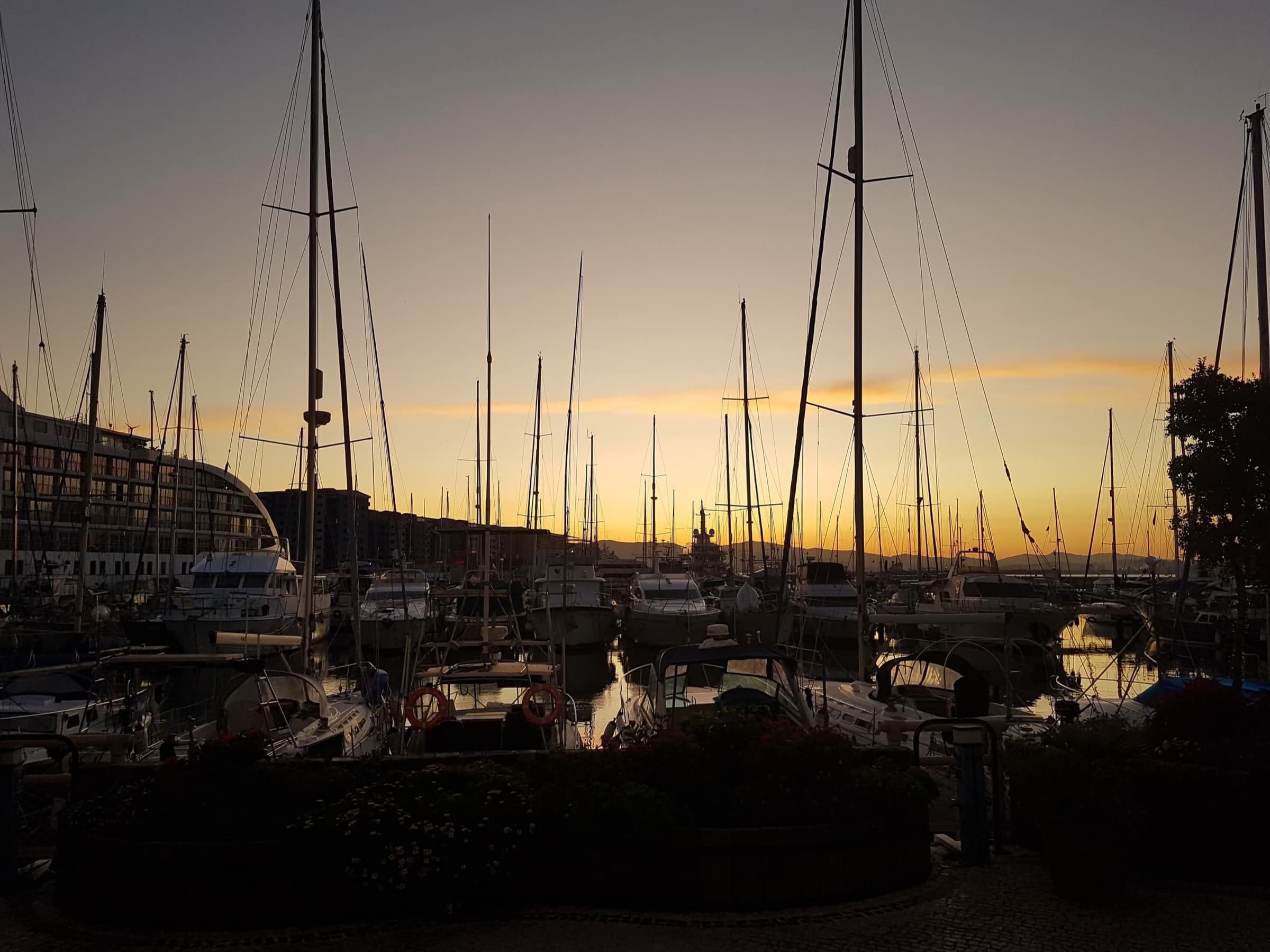
Life on the streets of Gibraltar was not easy. Almost every night the police woke me and told me that the next place I had found was not a legal spot to pitch a tent. I was getting more and more tired, but I did not intend to give up. Every day I went to the marina with printed notices looking for a yacht hitch.
One day I found a beach on the other side of the peninsula that the police apparently did not bother with. I lived there for a good two weeks. In that time I kept meeting more captains and gathering more and more useful information.
Among other things I learnt about a sailor from Israel who was planning a solo voyage and might need crew for a route to the Canary Islands. I got hold of his contact and sent a message.
In the meantime a few lads with huge backpacks appeared on my beach. They turned out to be Polish as well. At one of the parties at Woodstock they had come up with the idea of hitch-hiking to the Canary Islands, and still in the festival mood they had actually set off.
We made a shared camp. We found a few empty jerrycans, which began to serve as a makeshift drum kit. With the help of a guitar and a cajón belonging to the lads we played simple music in the streets of Gibraltar, collecting money for the rest of the journey.
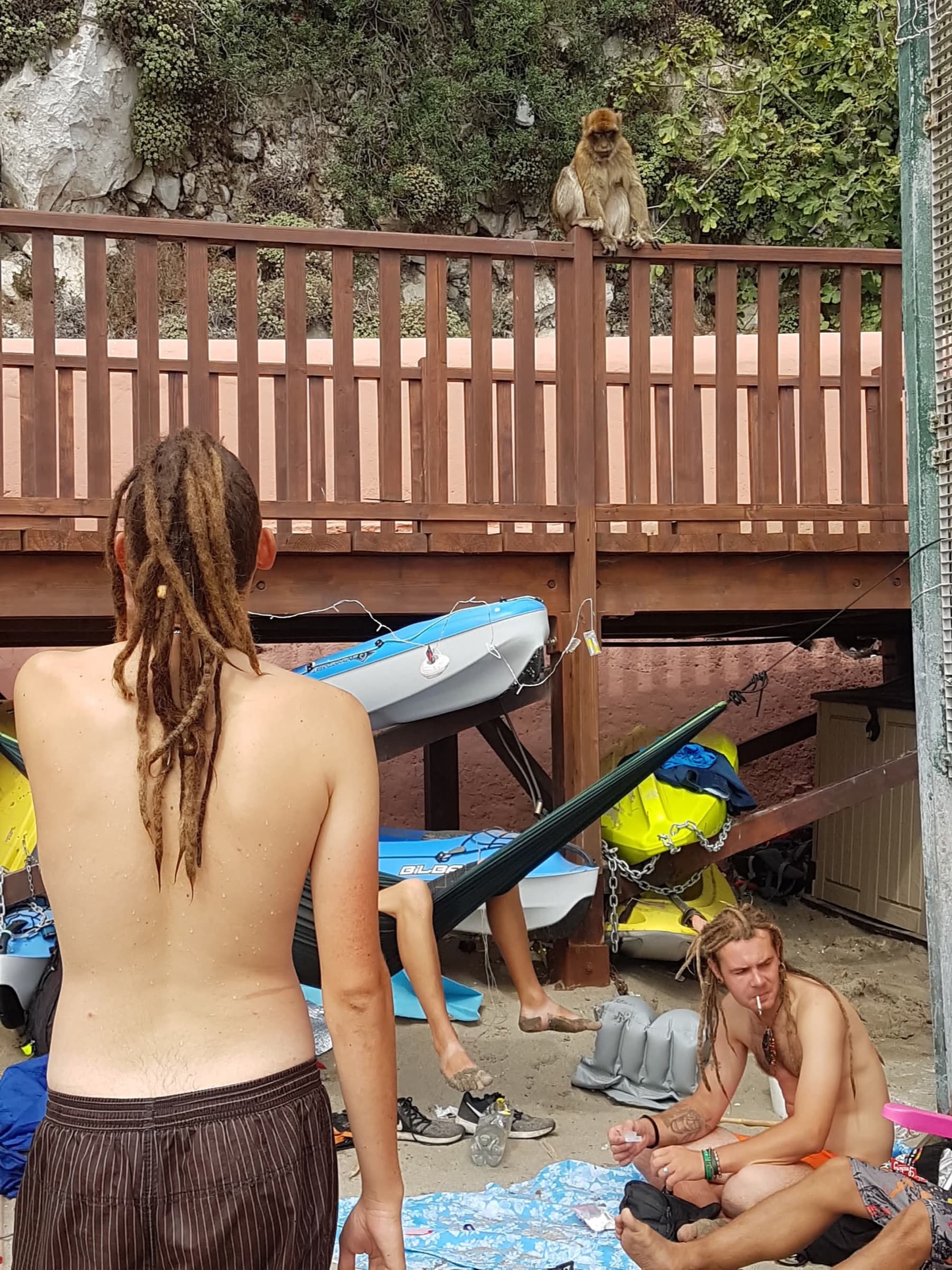
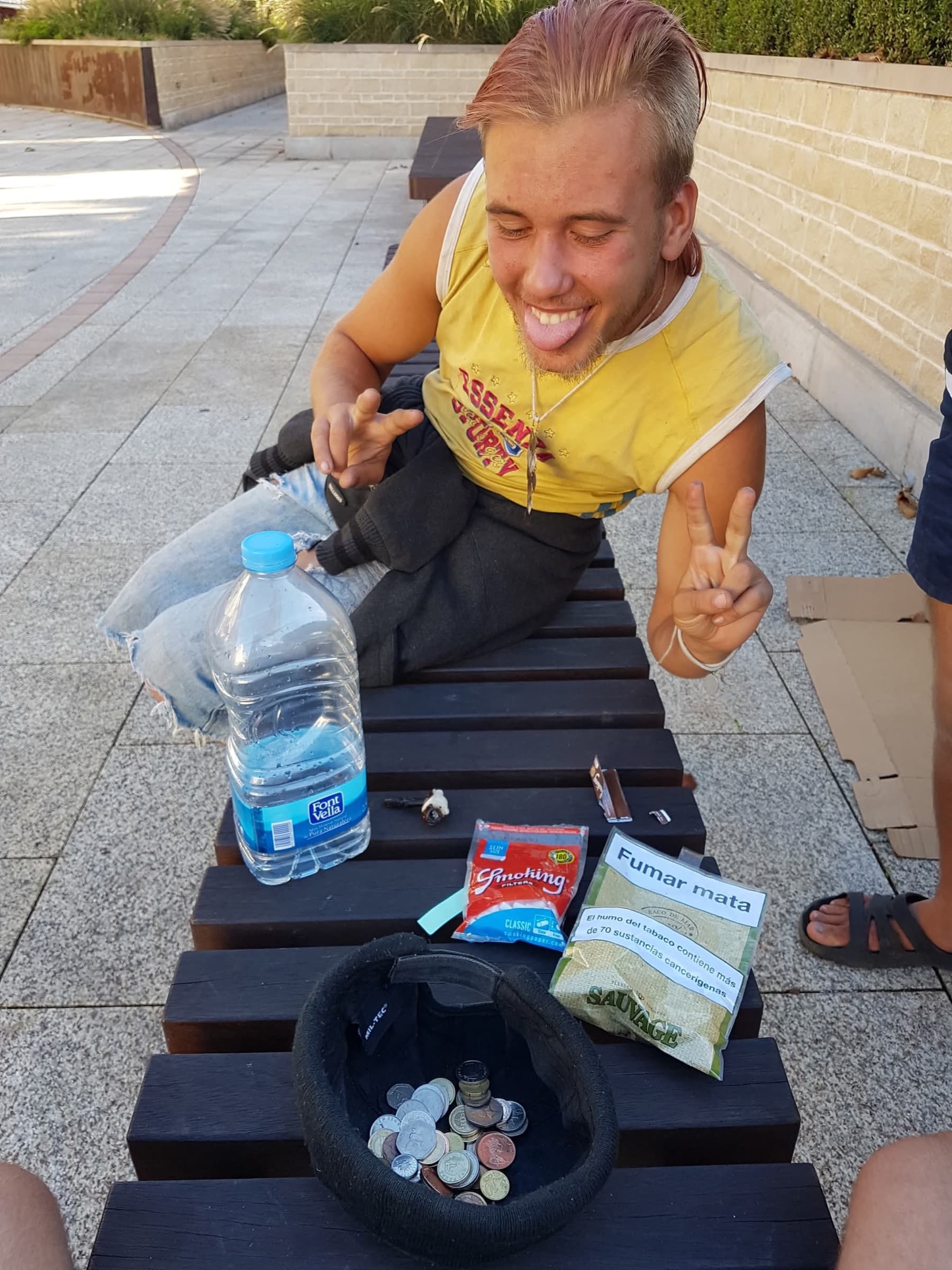
In that time I got a positive reply from the sailor from Israel. Not long afterwards I was already living on his yacht and waiting for our voyage to begin.
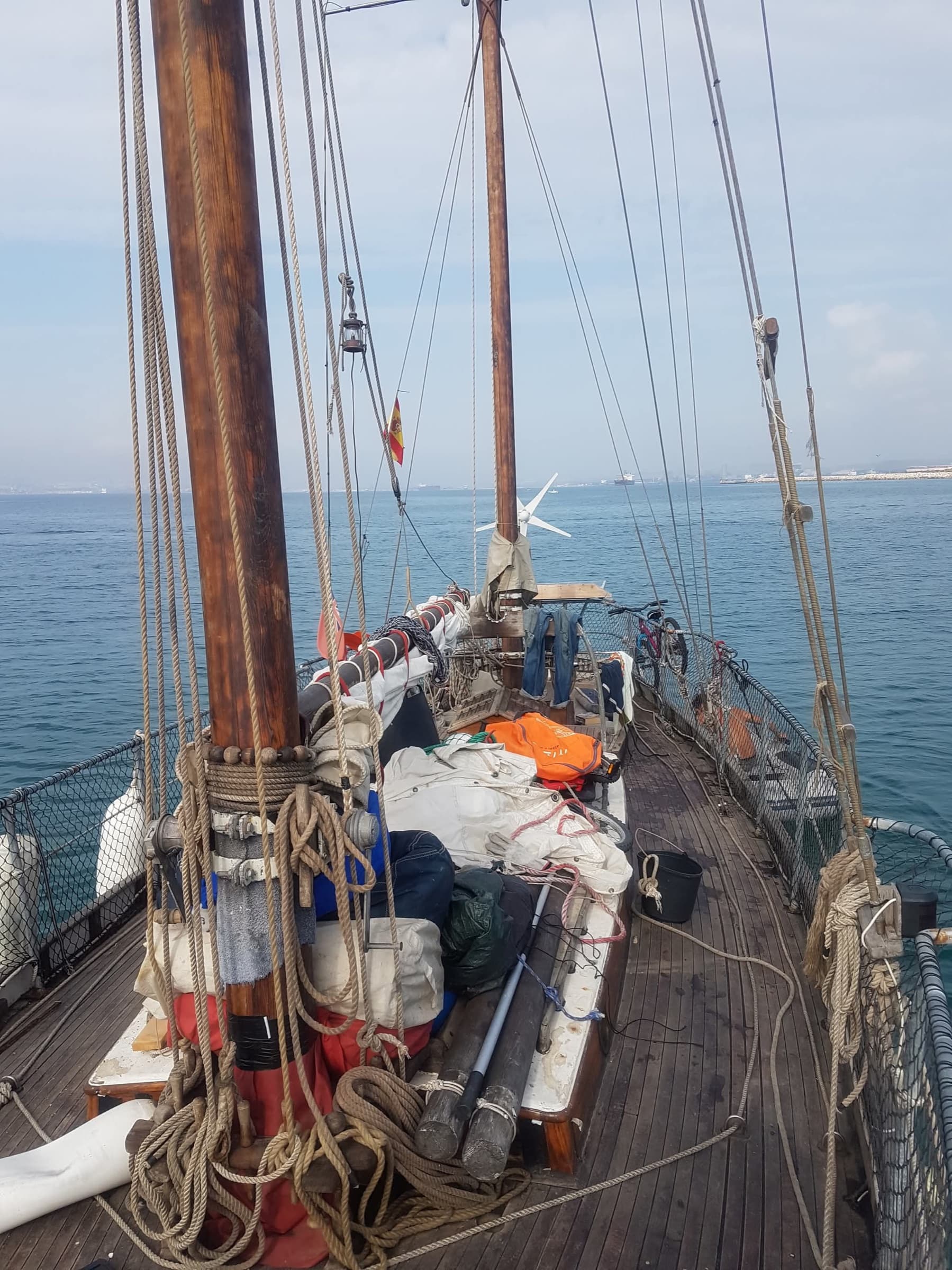
Unfortunately after a few days in the marina the man became heavily involved in a romantic relationship with an American woman. After a few awkward nights during which I felt like a third wheel, he told me he had changed his plans and did not intend to sail for the Canary Islands any time soon.
I was frustrated. A few days later, with the money collected from playing in the street and selling bracelets, I spontaneously bought a ferry ticket to Morocco. I had no idea what awaited me there.
In all my journeys only twice has crossing a border been such an intense experience for me: between the USA and Mexico, and just then, travelling from Spain to Morocco.
After I got off the ferry it immediately hit me that I was in Africa. Hundreds of traders, taxi drivers and people offering to change money came towards me. They all shouted over one another, offering all sorts of services in a mix of English and Arabic.
I escaped into the narrow streets of Tangier. In the end I managed to change the last 20 euros I had on me. After a few hours of wandering I saw in the crowd the only person with lighter skin, also carrying a huge backpack. I walked straight towards him. The lad looked as lost as I was.
At one point a Moroccan came up to us who had a kind look in his eyes. He said we should get out of Tangier as quickly as possible and go to Chefchaouen. He took us to the bus station, where we bought tickets for pennies. Getting out of the station itself took us almost an hour because of the chaos on the roads.
Only on the bus did we have a moment to introduce ourselves. My new companion turned out to be a Turk named Ali. His presence was very helpful, because he knew the basics of Arabic and was more at ease with Muslim culture.
After a few hours of driving the bus stopped at a petrol station. The driver told us we were the only passengers going to Chefchaouen and it was not worth his while leaving the route just for us. He assured us we would easily catch a taxi from the station.
We got off, but apart from a man grilling a sheep in front of the building we did not see a living soul. Tired, we hid behind a nearby mosque and went to sleep.
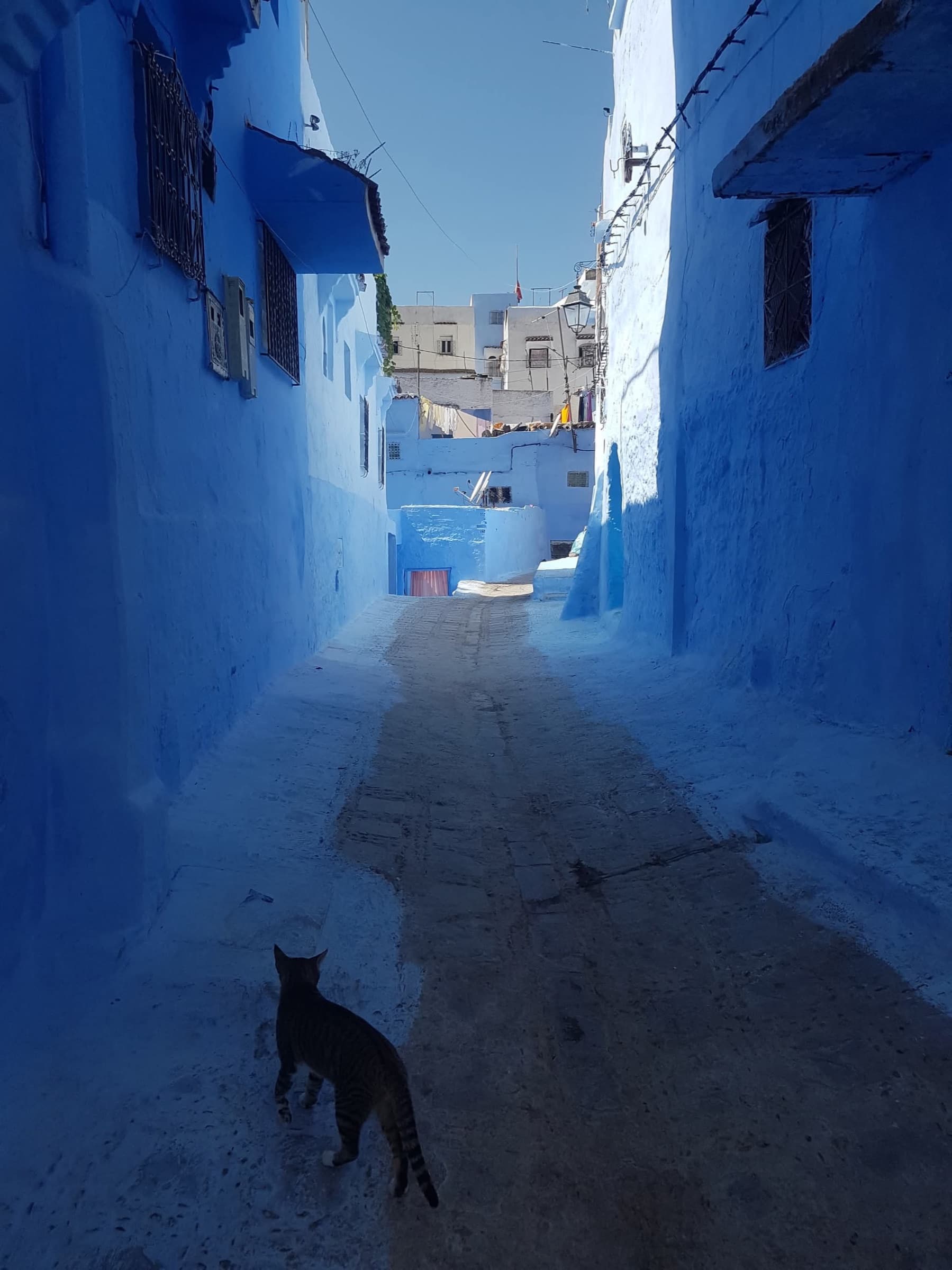
The next morning the car park was indeed full of taxis. After a dozen or so minutes of negotiation we set off towards Chefchaouen, which — as quickly became clear — is not called the Blue City for nothing. Locals told us that the blue colour keeps mosquitoes away, and that is why the buildings are painted that way.
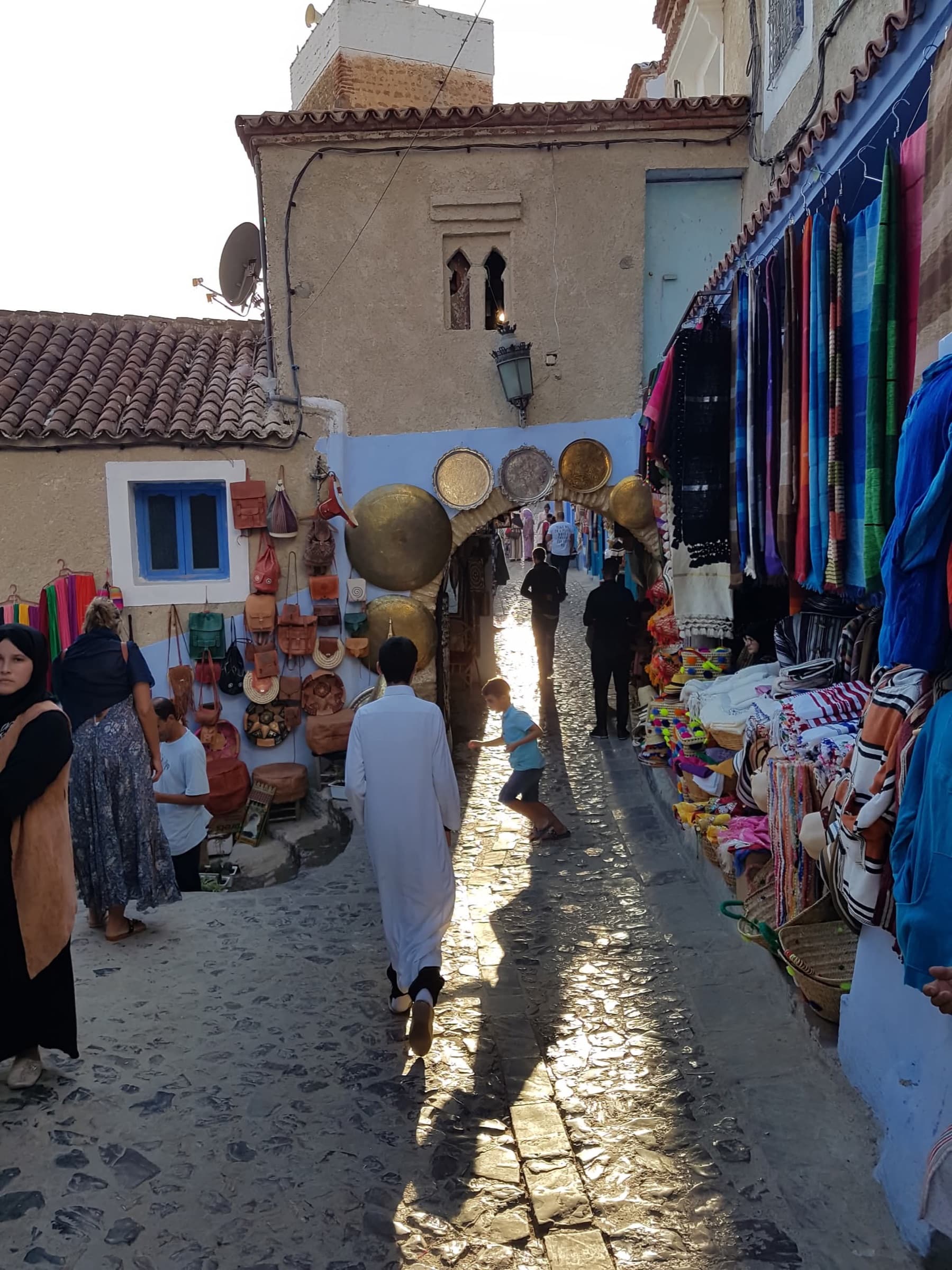
The town was genuinely charming and much calmer than Tangier. In the evening we met two Italians who had already been travelling around Morocco for some time. They invited us to smoke together, which — as I would later find out — was a fairly common gesture of hospitality in that country.
Because of religion many Moroccans do not drink alcohol, but the unofficial national product of the country is hashish. The Italians told us we really ought to visit the Ketama region, where the largest farms in the country are.
We did not think about it for long. The next day we were already on the road.
Hitching in Morocco turned out to be childishly easy. Almost every car stopped, offering a lift of even a few kilometres. That same day, in very good spirits, we reached the Ketama region.
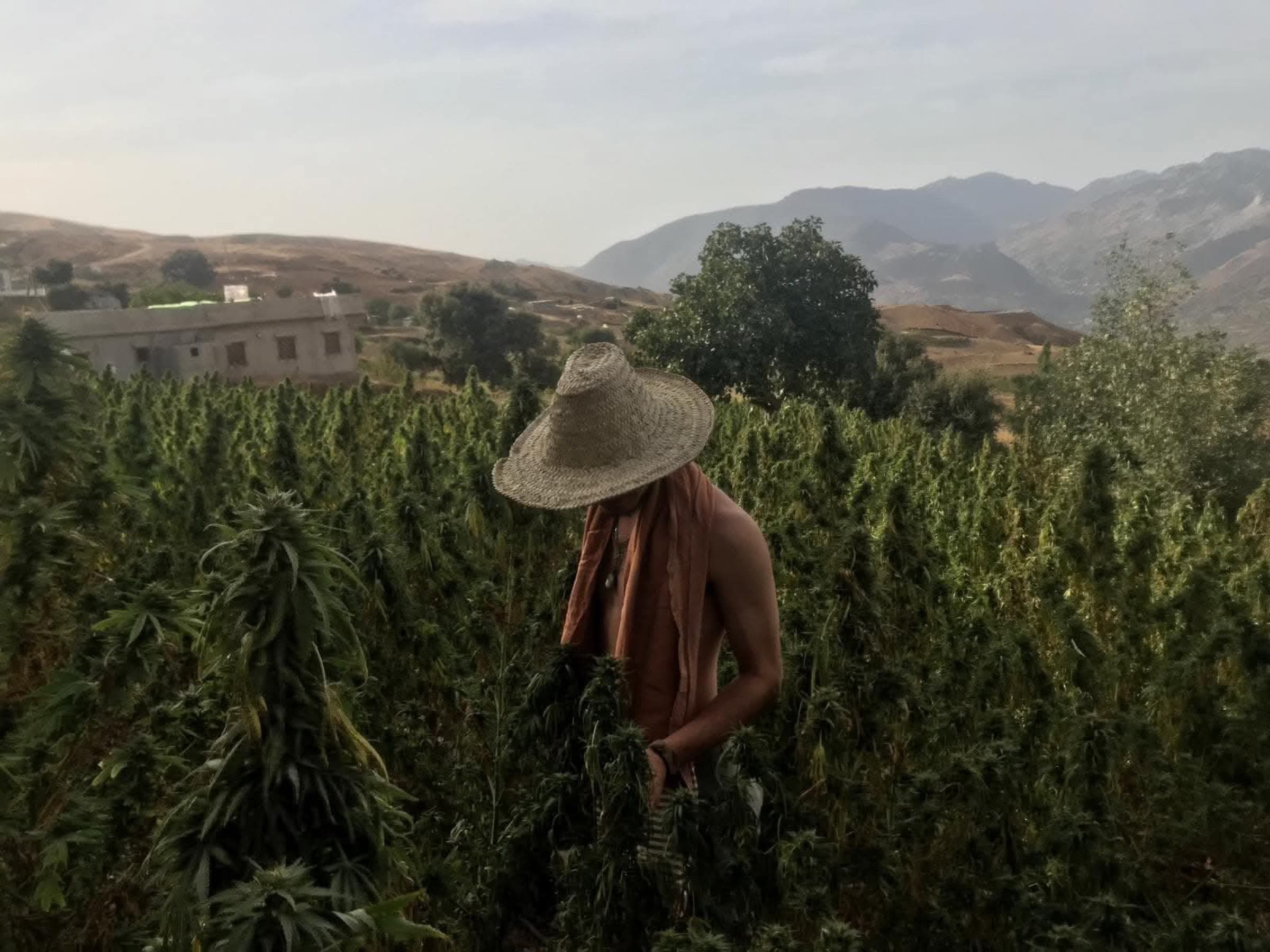
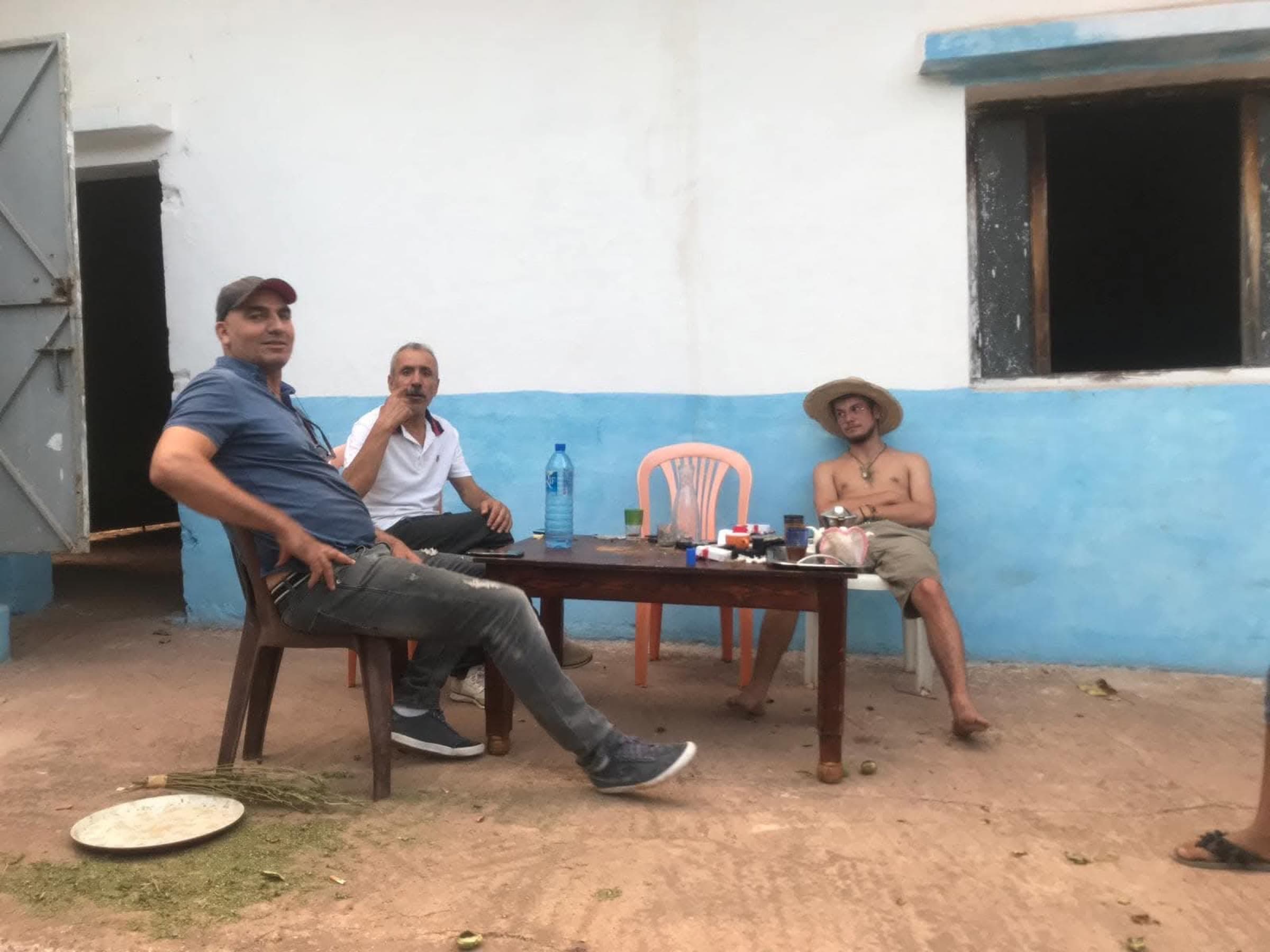
Many of our drivers offered us products from their farms and invited us into their homes. When dusk began to fall, an older owner of one of them stopped. We accepted his invitation.
He took us to a guest room with a separate entrance from the rest of the house, which is a fairly typical arrangement in Arab countries. A few knocks on the wall by the old man sent a clear signal to his young son, who every so often brought us Moroccan mint tea with an enormous amount of sugar, food, and of course what the region is most famous for.
The next morning we woke up on plastic chairs standing in the garden in front of our room.
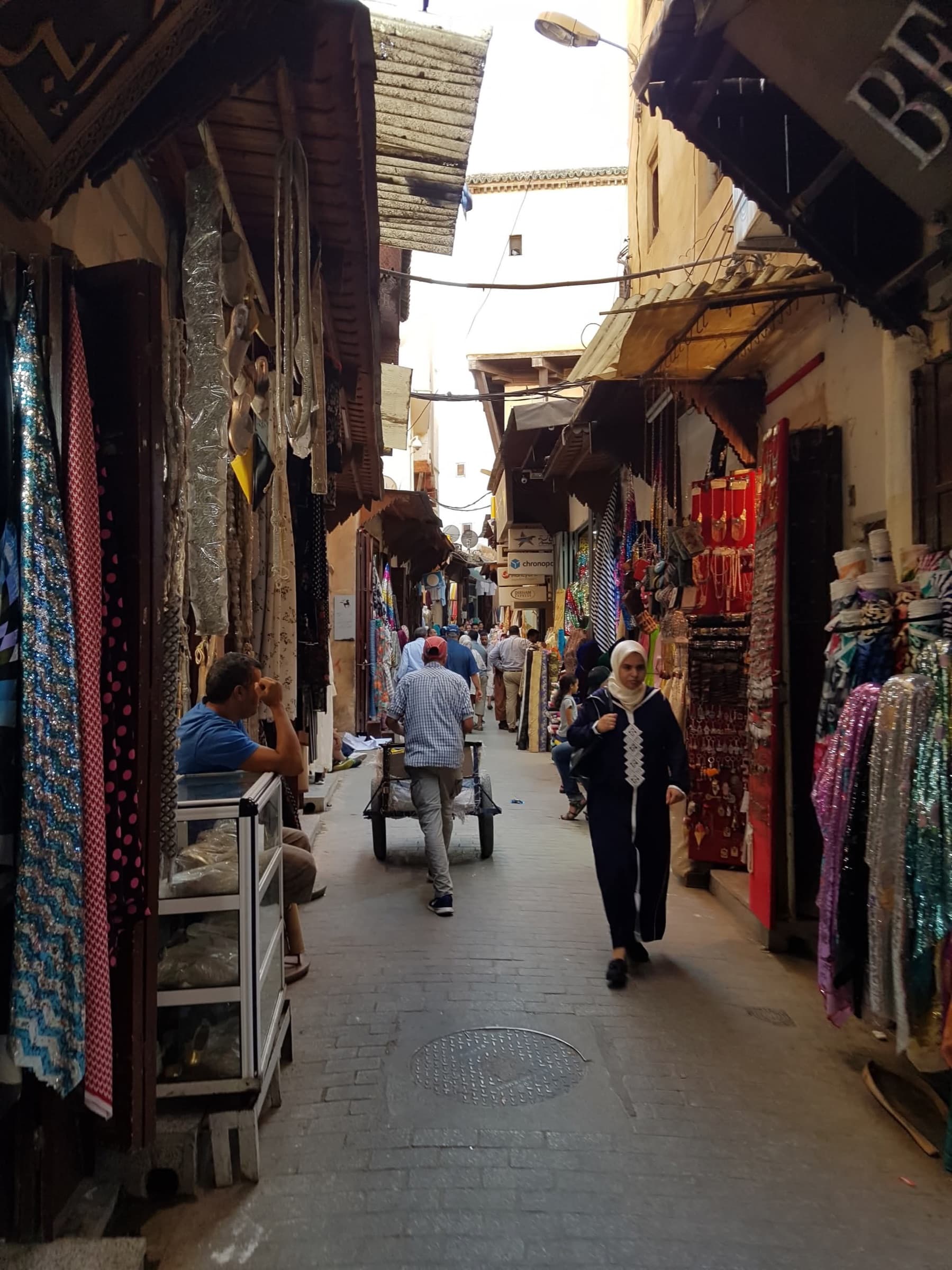
From Ketama we set off for Fez. It is an extraordinary city, whose historic centre forms one of the largest car-free urban areas in the world. The narrow streets were designed solely for pedestrians, and their labyrinth stretching for kilometres creates an incredible atmosphere.
The next morning I woke up in one of the cheap hostels and realised Ali had disappeared. I managed to get in touch with him. It turned out he had met a girl and hitch-hiked with her to Rabat.
Mildly pissed off, I gathered my things and fairly quickly caught a lift to the capital. The story ended well, though, because the girl had a lot of friends in Rabat. One of them offered us a place to stay, and in the end we had a really good time there.
From Rabat we went to Casablanca, and not long afterwards we found ourselves in Marrakesh. There I parted with Ali. I set off towards Agadir, still believing that perhaps there I would manage to find a yacht sailing to the Canary Islands.
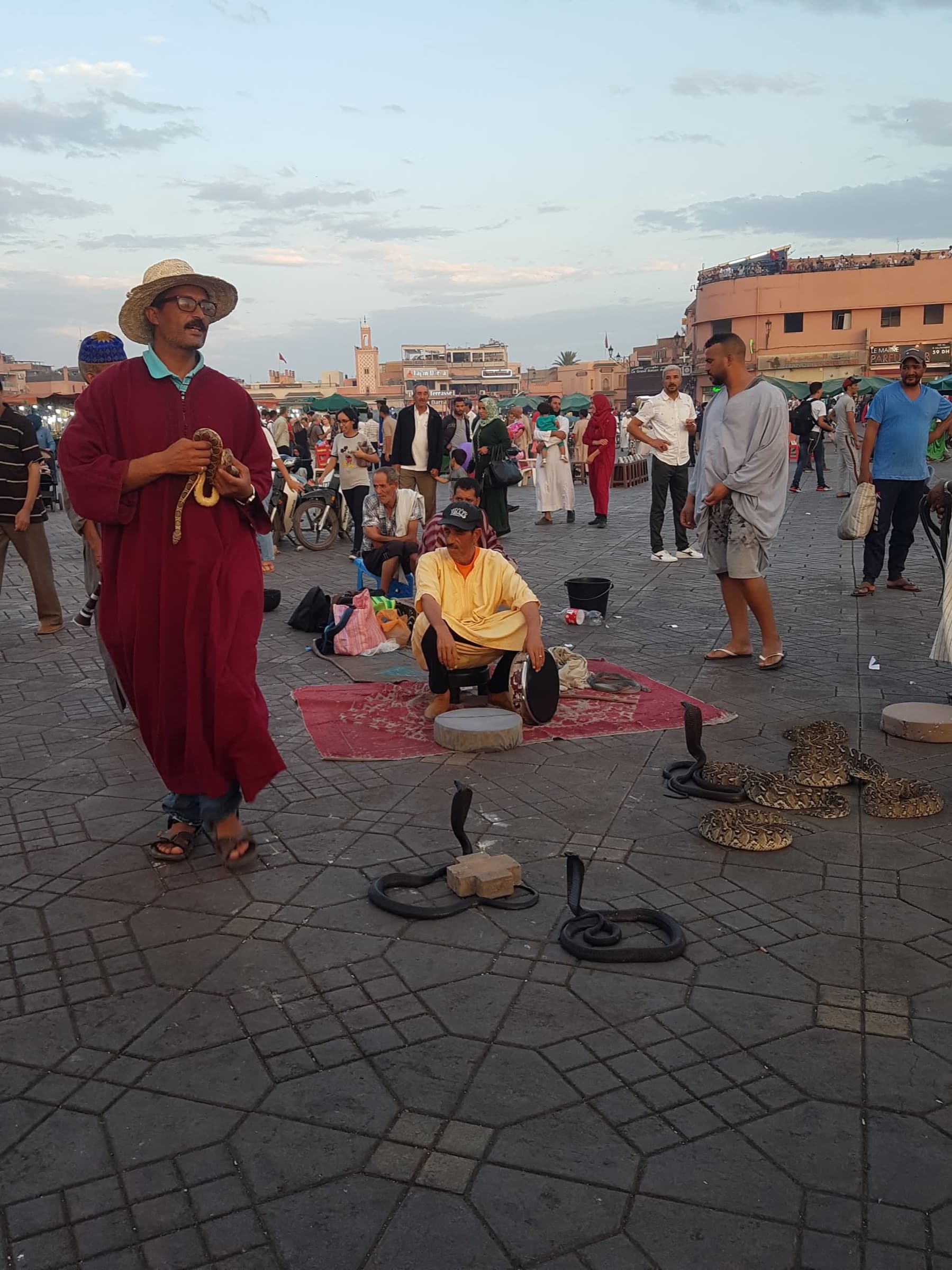
I quickly understood, though, that finding a Moroccan crew who could legally sail towards Spain would be practically impossible. So I decided to return to Europe.
Without going into the details of a thoroughly chaotic return journey, I finally managed to reach Tarifa in Spain. It turned out that the group of Poles I had earlier played music with in Gibraltar were still in the area — this time in Seville.
I joined them intending to collect money for a ferry or a plane to the Canary Islands. I spent more than three weeks with them in Seville. Along the way we met a few more interesting characters, and I eventually joined forces with “Włóczykij”. The rest of the group already had money for the ferry and were preparing to travel on.
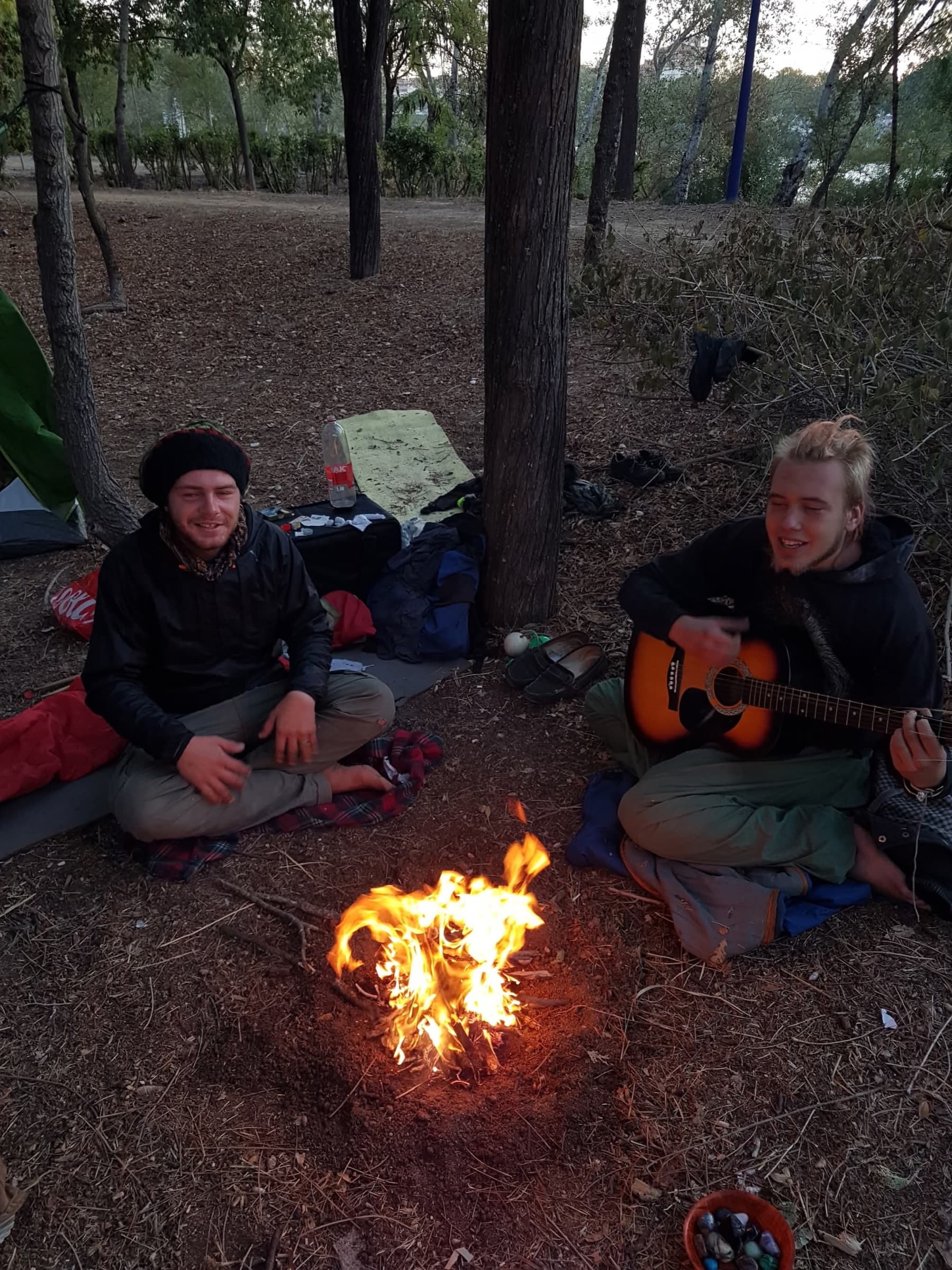
Włóczykij had a weakness for alcohol, which meant saving money was not going at a dizzying pace. We were living then in a camp pitched in one of the city parks together with other travellers from Poland and Italy.
In the end, though, we managed to collect the required sum, so I bought plane tickets for myself and my companion. In the meantime we met another Pole, who decided to see us to the airport.
The journey took us almost the whole day. When we finally arrived, Włóczykij told me he was not flying after all. He had decided to continue travelling with the newly met companion and set off with him for Portugal. That was how our paths split.
I landed in the Canary Islands genuinely exhausted and without a penny to my name. It was November, but the temperature was over 30 degrees, which gave me a bit of optimism. I got hold of three oranges and started juggling them in the street in the hope of collecting money for food.
I knew that at that time there were regattas on, and that many boats would soon be sailing towards the Caribbean. At the same time it was becoming clearer and clearer to me that I was not yet ready for such a big step.
I took the hard decision to return to Poland. I was tired of living in the street and wanted to prepare better for the next journey. I rang my parents with my tail between my legs, and they helped me financially to get back from the islands to mainland Spain.
On the way back I met L. in Barcelona and spent my nineteenth birthday there. I also stopped off in the Netherlands and Denmark, and a moment before Christmas I was already back in Poland.
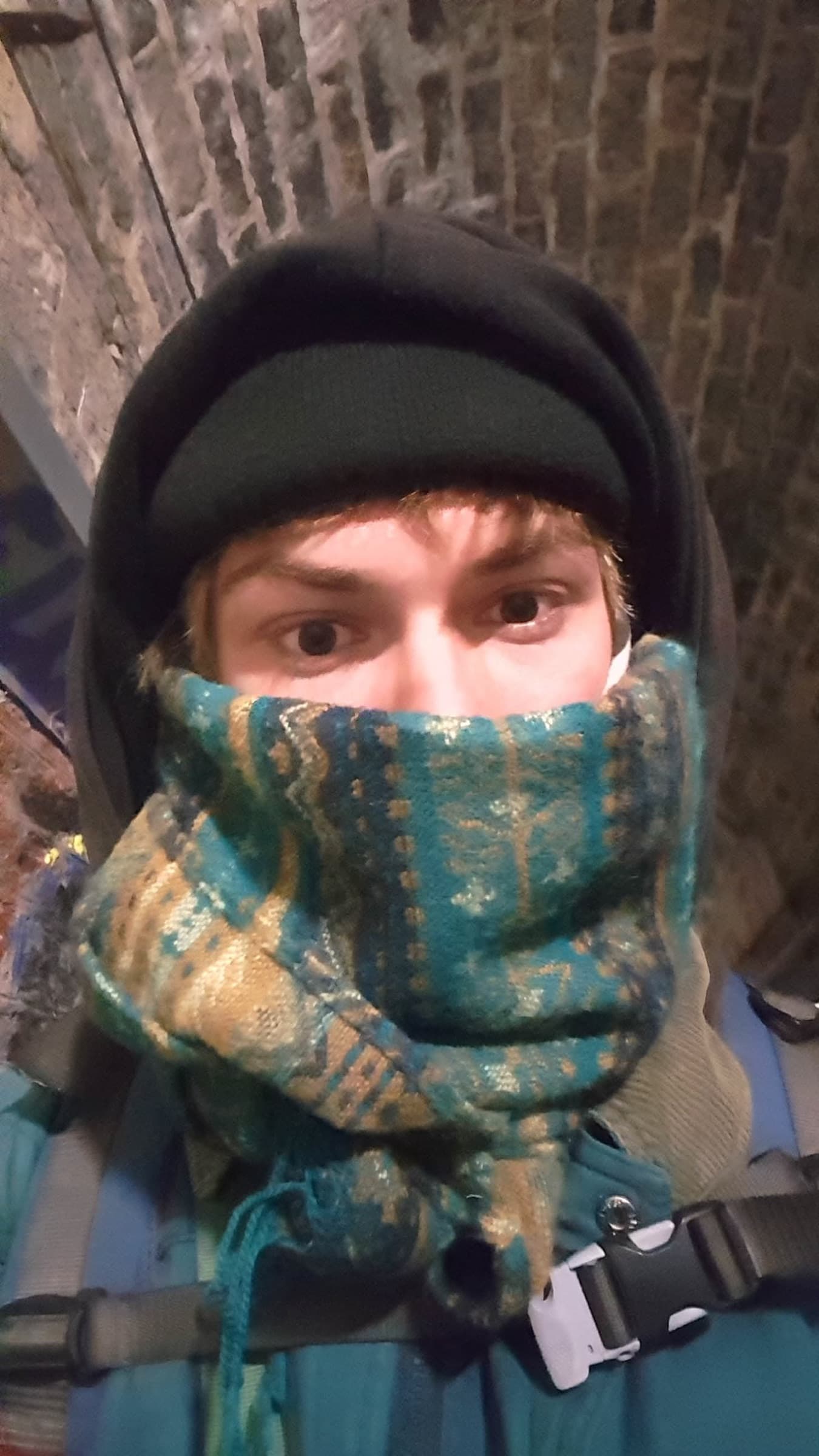
The whole journey lasted about four months. In that time I hitch-hiked more than 13,000 kilometres.