Falkland Islands - Brazil
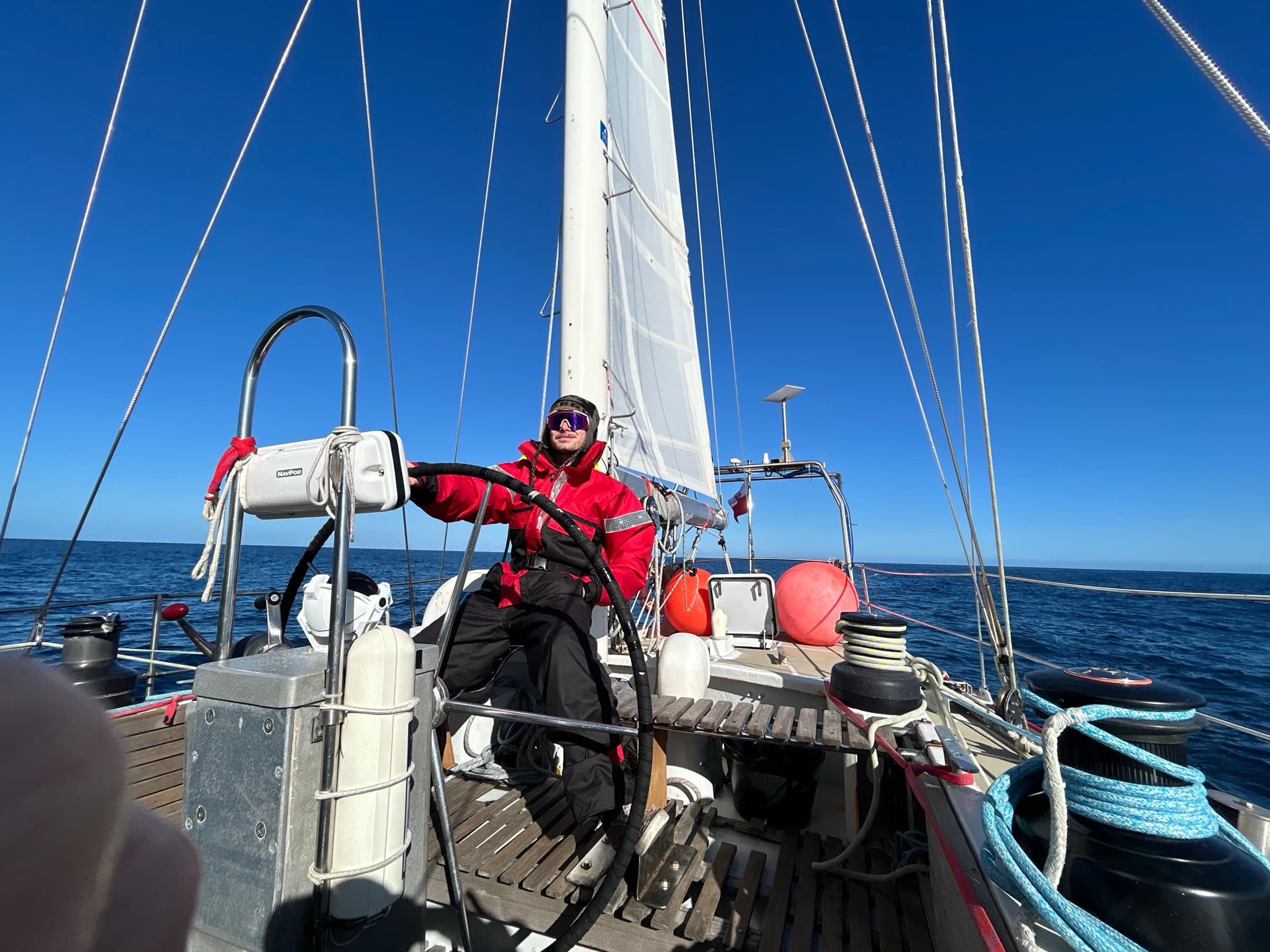
Towards the end of my journey from Alaska to Patagonia, a chance appeared on the horizon to fulfil one of my old dreams. I learned that the legendary Polish yacht Selma would be sailing from Ushuaia in March.
When I got that information, I was still in Bolivia. At that point I really knew only one thing: in March I already had to be finishing the journey. Otherwise a harsh Patagonian winter would have been waiting, and it could easily have wrecked my plans of reaching the southernmost city in the world by bicycle.
I was given the captain's number, and a moment later I already knew that Selma would be sailing to Brazil for a refit, and that there would probably be a place for me on board. From that moment the plan was simple: reach Ushuaia before Selma sailed in March.
When I was getting closer to the longed-for goal, I was told that the crew for the first part of the voyage was already complete, but that a few places would free up from the Falklands. My only option was therefore a fairly demanding logistical plan: hand the bicycle over to the yacht in Ushuaia, then fly to the islands two weeks later and join the crew there.
At exactly that time, on the very day I handed over the bicycle, my body completely refused to cooperate. That same day I ended up in hospital on a drip, and the days that followed were no better. My dreamed-of voyage suddenly stood under a large question mark.
In the end, even though I was still in poor shape, I felt well enough to take on the mission.
I flew to the Falklands at Easter. On arrival I was greeted by Polish babka, painted eggs, and six newly met crew members, with whom I would share a twenty-metre boat for the next two weeks.
Two days later we sailed north.
My voyage began with a sleepless night, a fever of almost 40 degrees, and being stood down from the first watch. Luckily that was the only watch I missed on the whole voyage. Despite sleep problems that had already been dragging on for more than two weeks, my body somehow went into survival mode. Driven by adrenaline it carried me those further dozen or so days as far as Brazil, whose sun and warmth brought me back to life in just a few days.
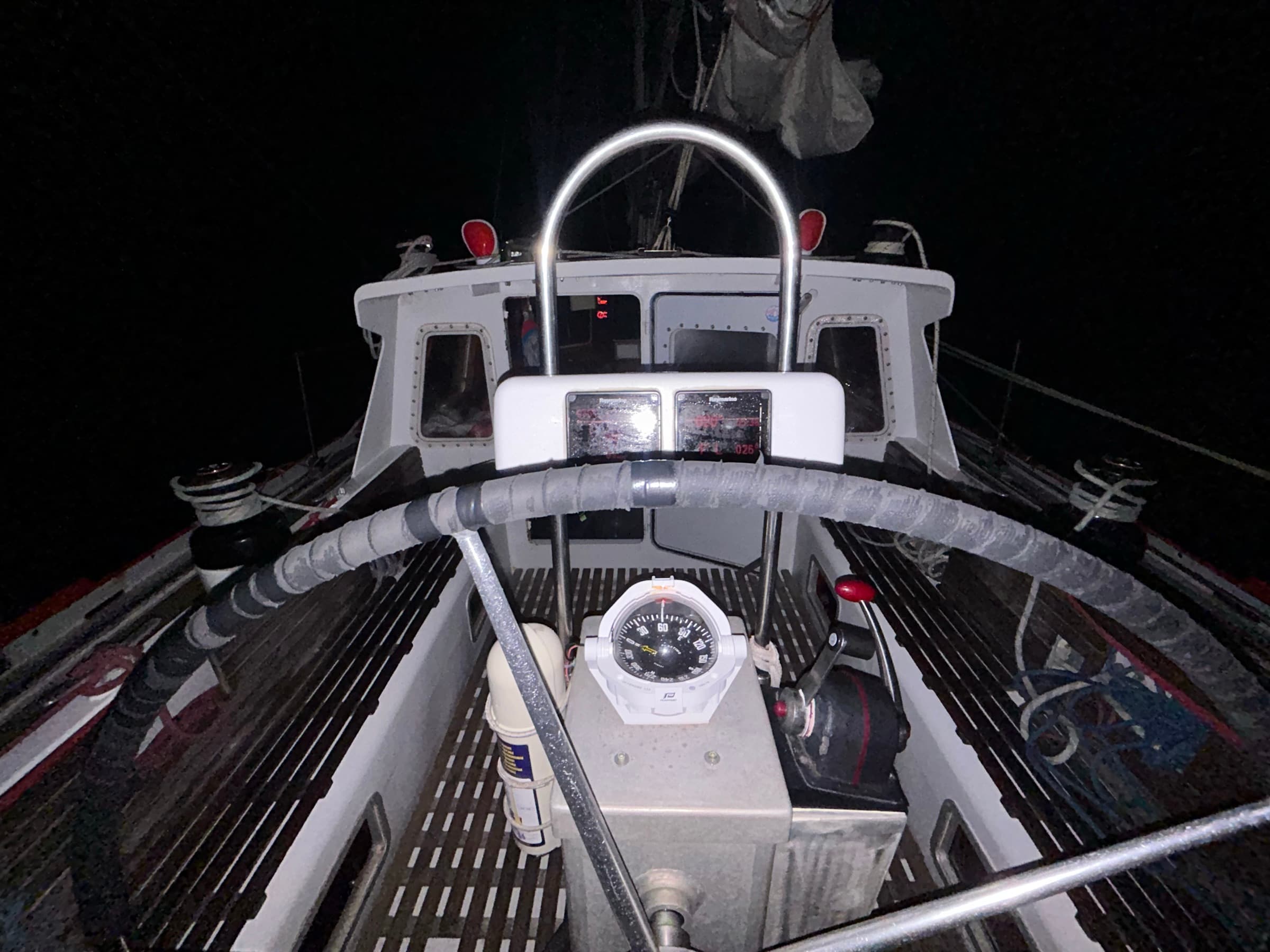
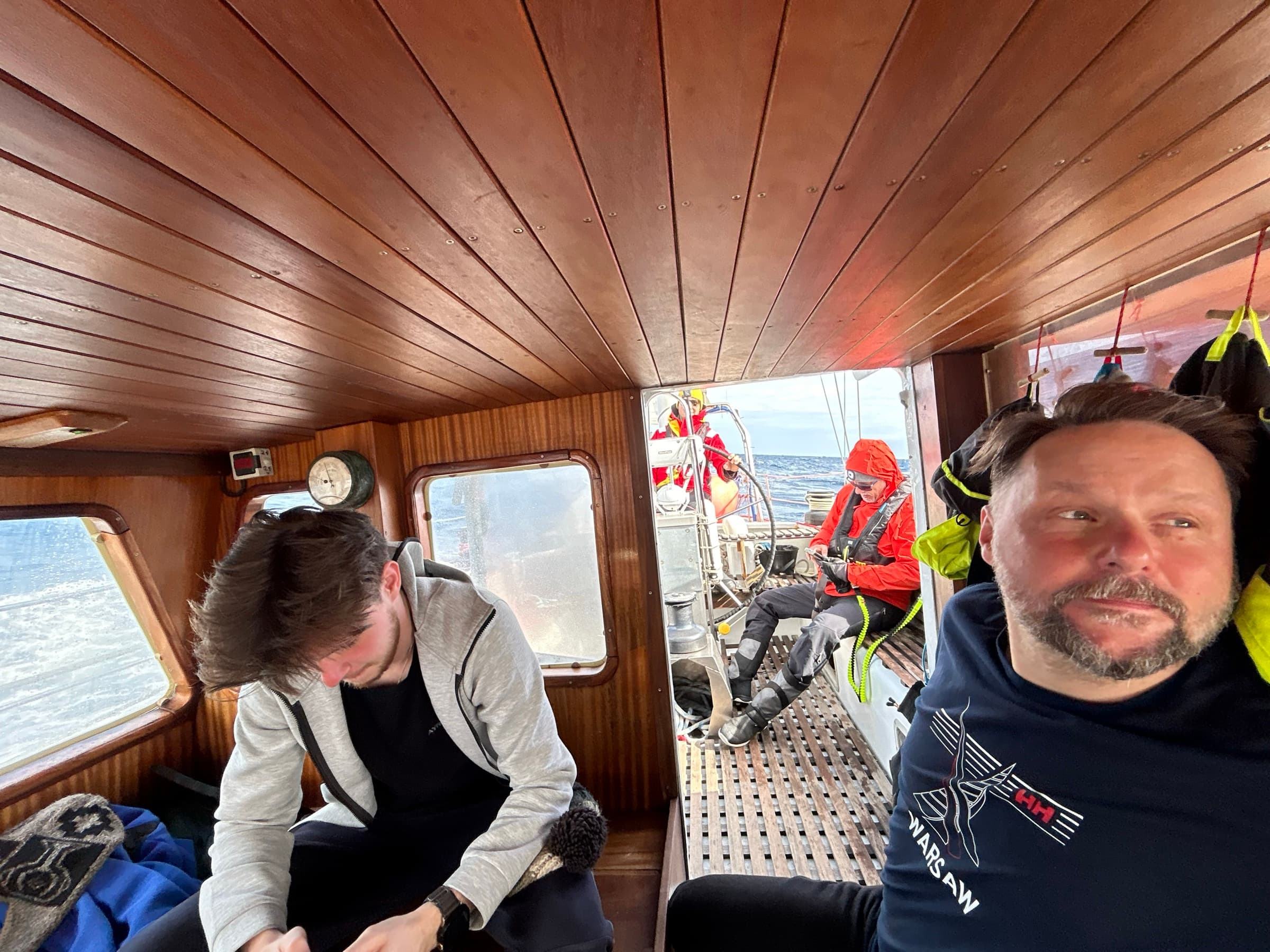
The voyage itself was definitely not an easy one. The South Atlantic is known for strong winds and unpredictable weather. In the worst moments the wind reached 42 knots, and for some mystical reason those conditions always seemed to fall on my night watches. Luckily they gave me a fair amount of fun.
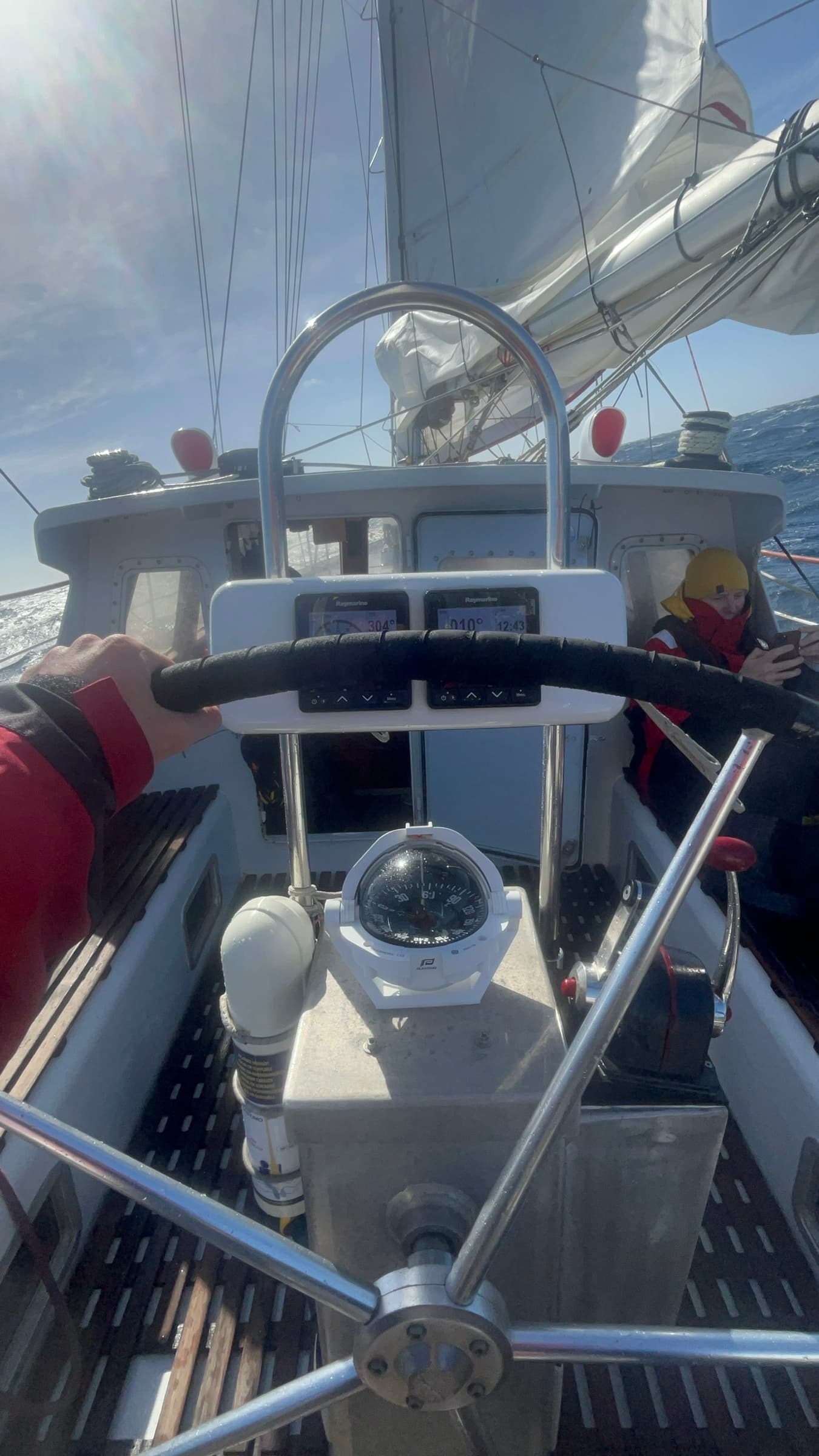
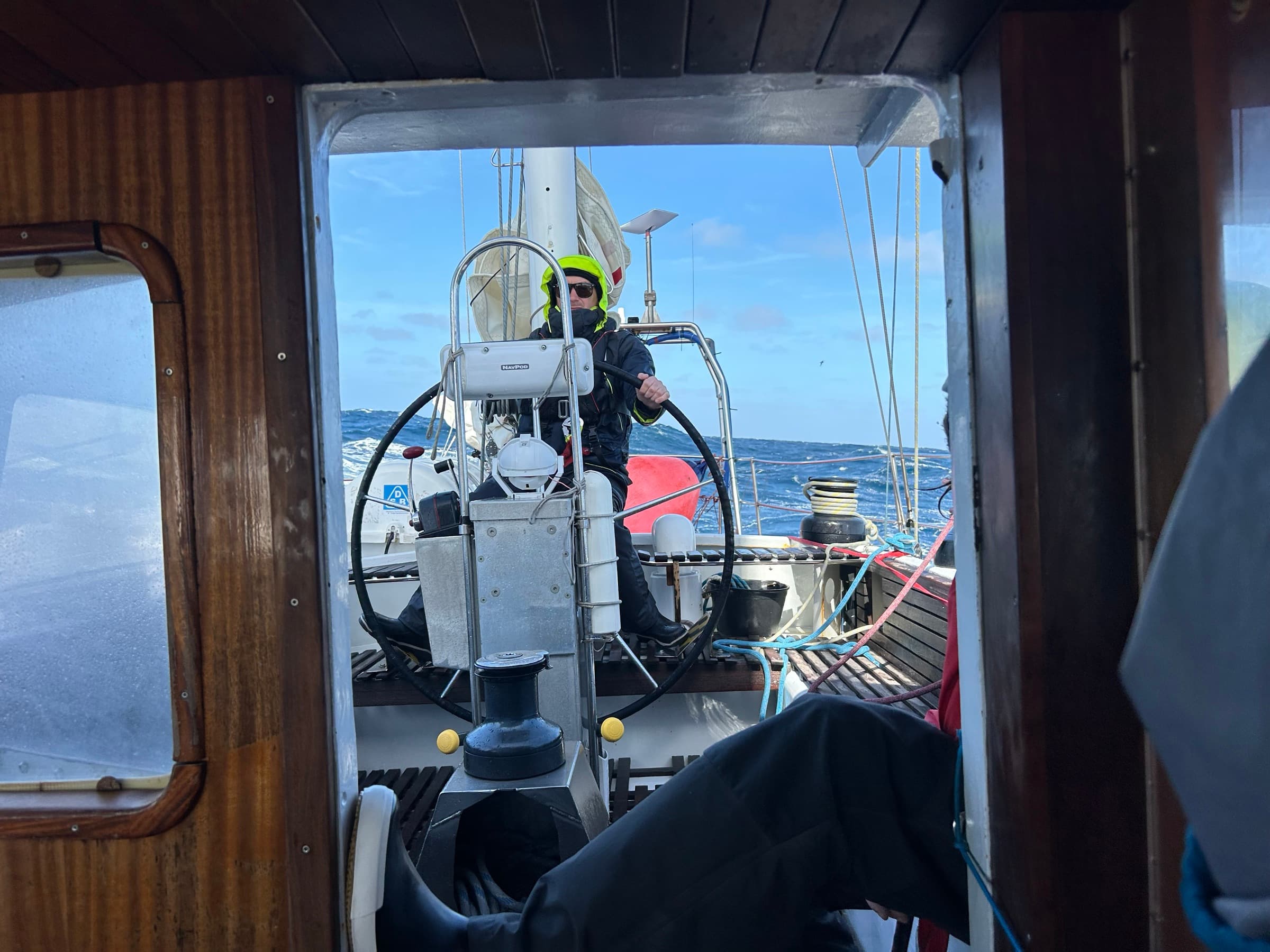
The first part of the route in particular gave us a hiding. It was bloody cold roughly as far as the mouth of the River Plate, which forms the natural border between Argentina and Uruguay. Later the situation reversed 180 degrees. Instead of cold, heat began to keep us company, especially inside the well-insulated Selma, which after all was built first and foremost for expeditions into polar regions.
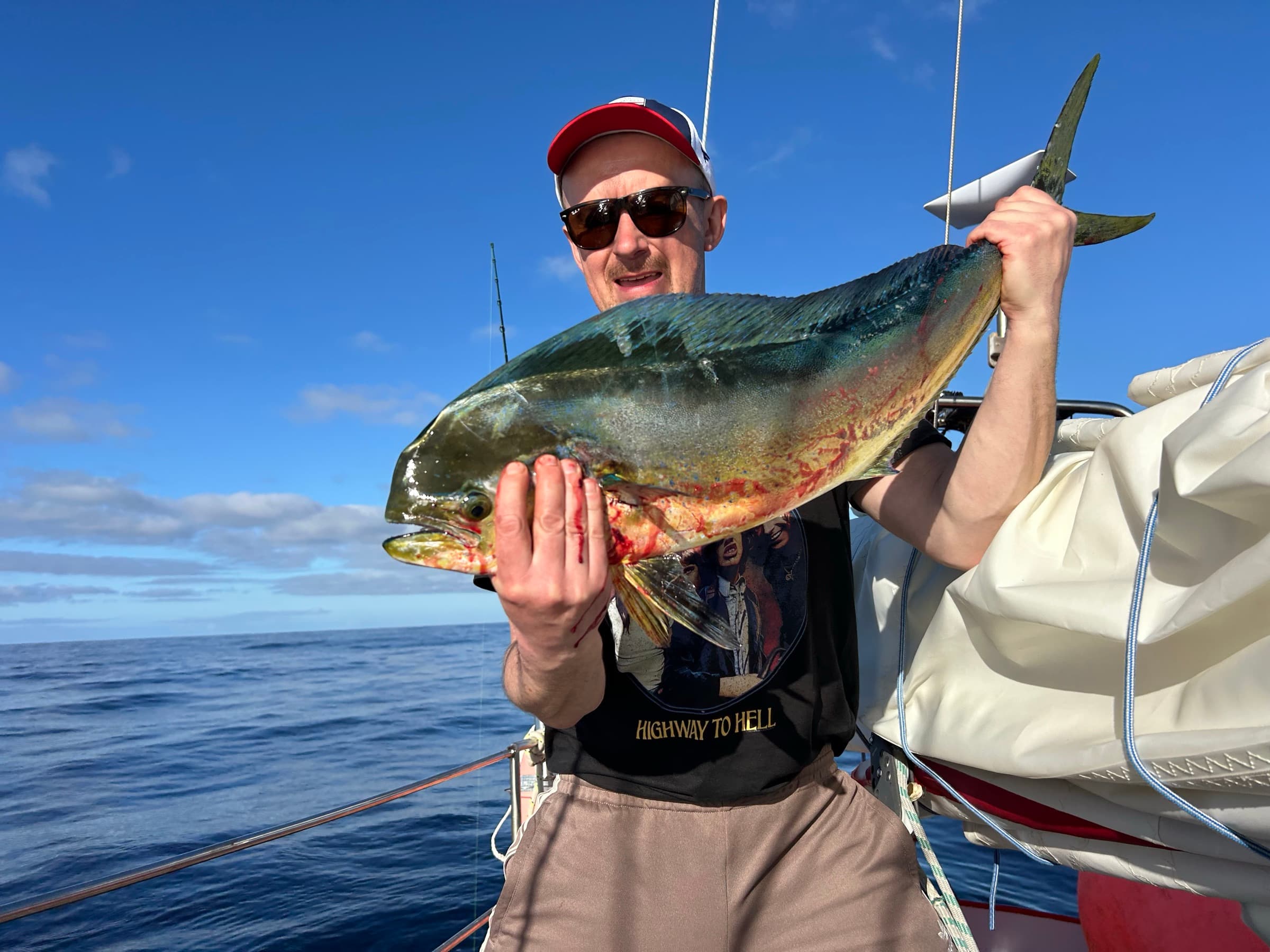
When it grew warmer and the ocean calmed a little, Bartek got out his fishing gear and pulled a fine dorado from the water. Fresh fish filled our stomachs and gave the whole crew a bit of new energy. Calmer weather did not mean the end of strong conditions, though: along the way it still threw us about hard more than once.
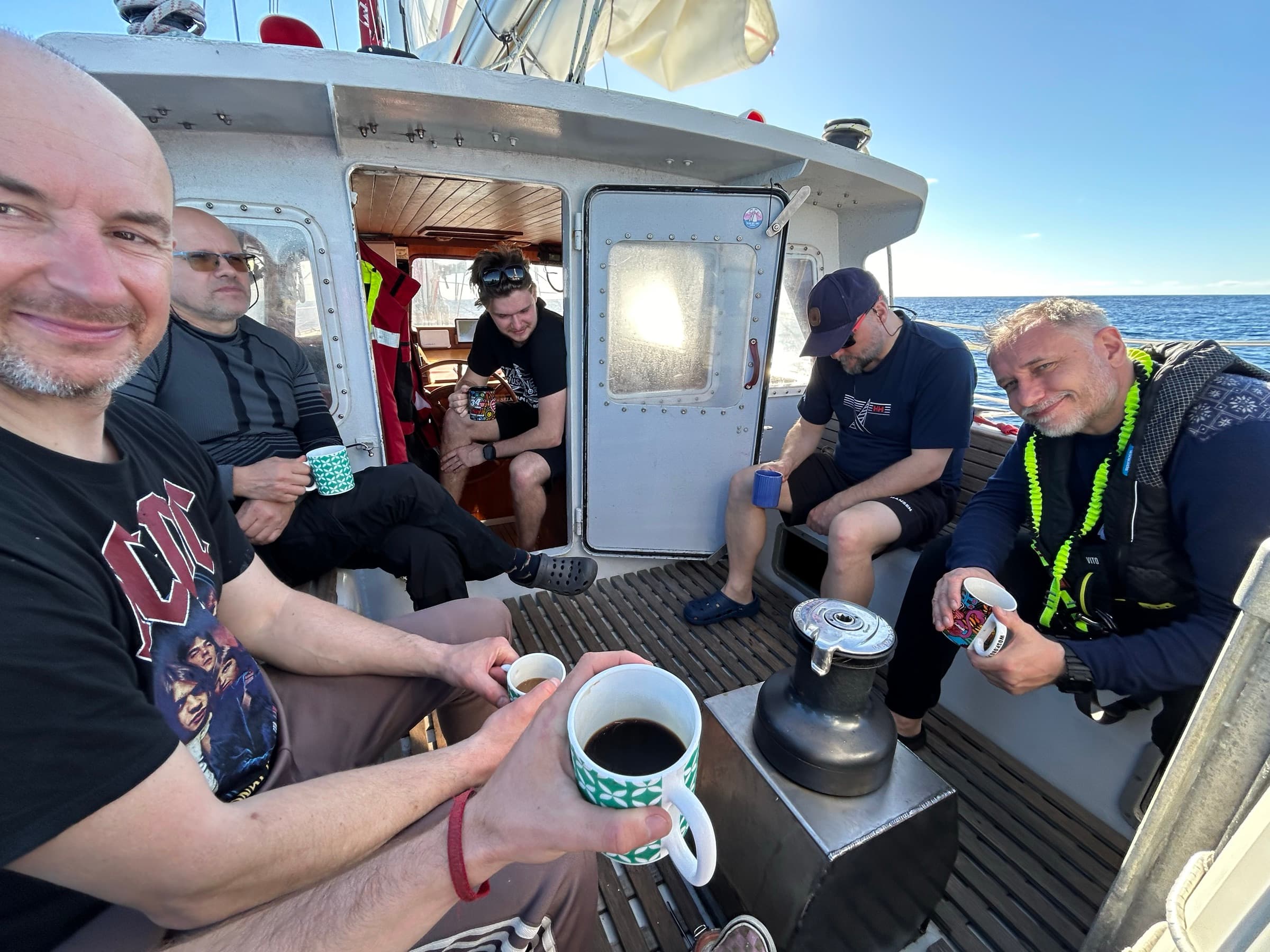
After the first week the skipper finally gave us the green light for a shower. That came with a group clean of the whole boat, and after a few hours both we and Selma were ready for the second half of the crossing.
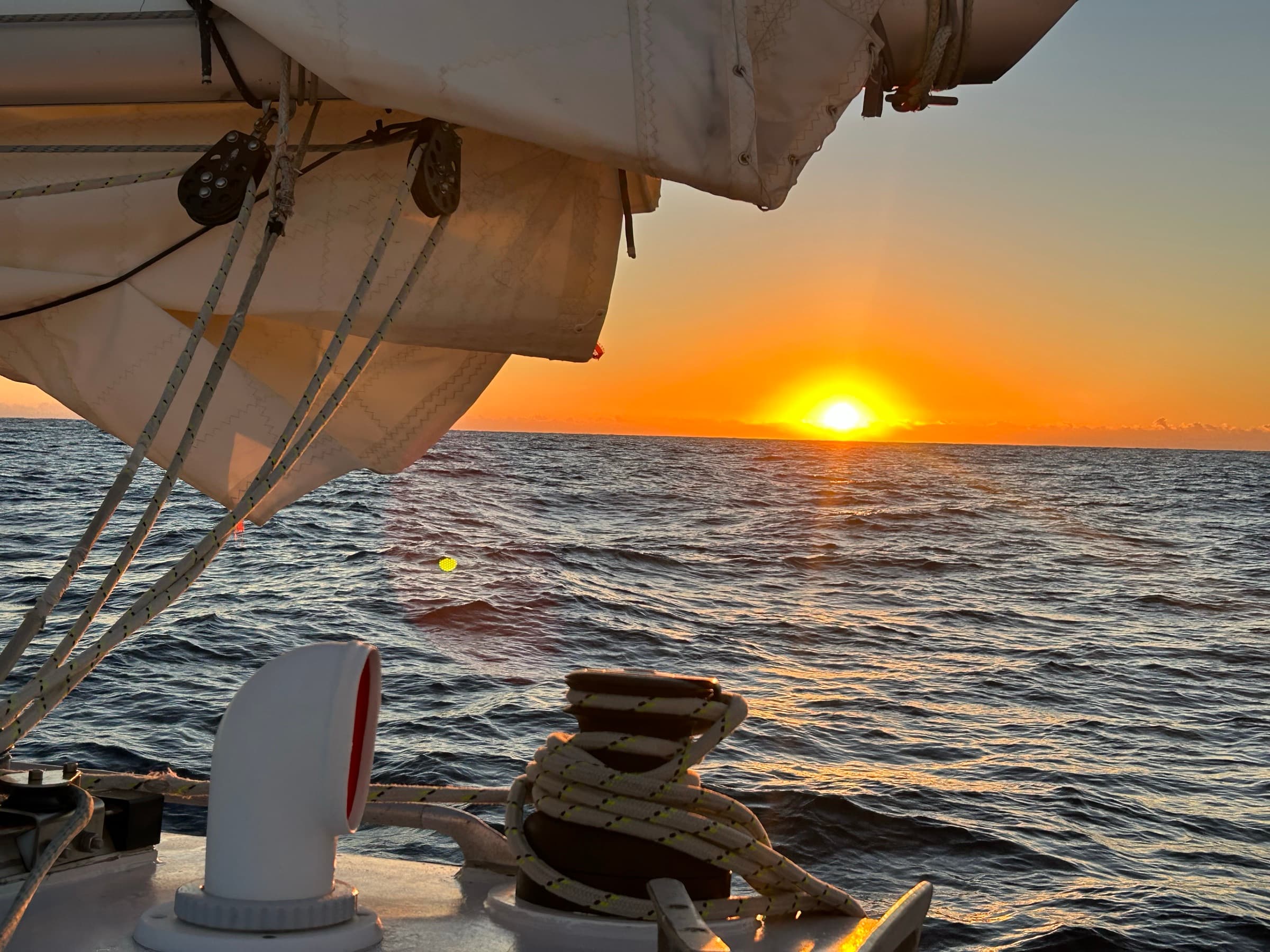
On the thirteenth day we finally saw the coast of Brazil, and before midnight we entered the marina in Itajaí.
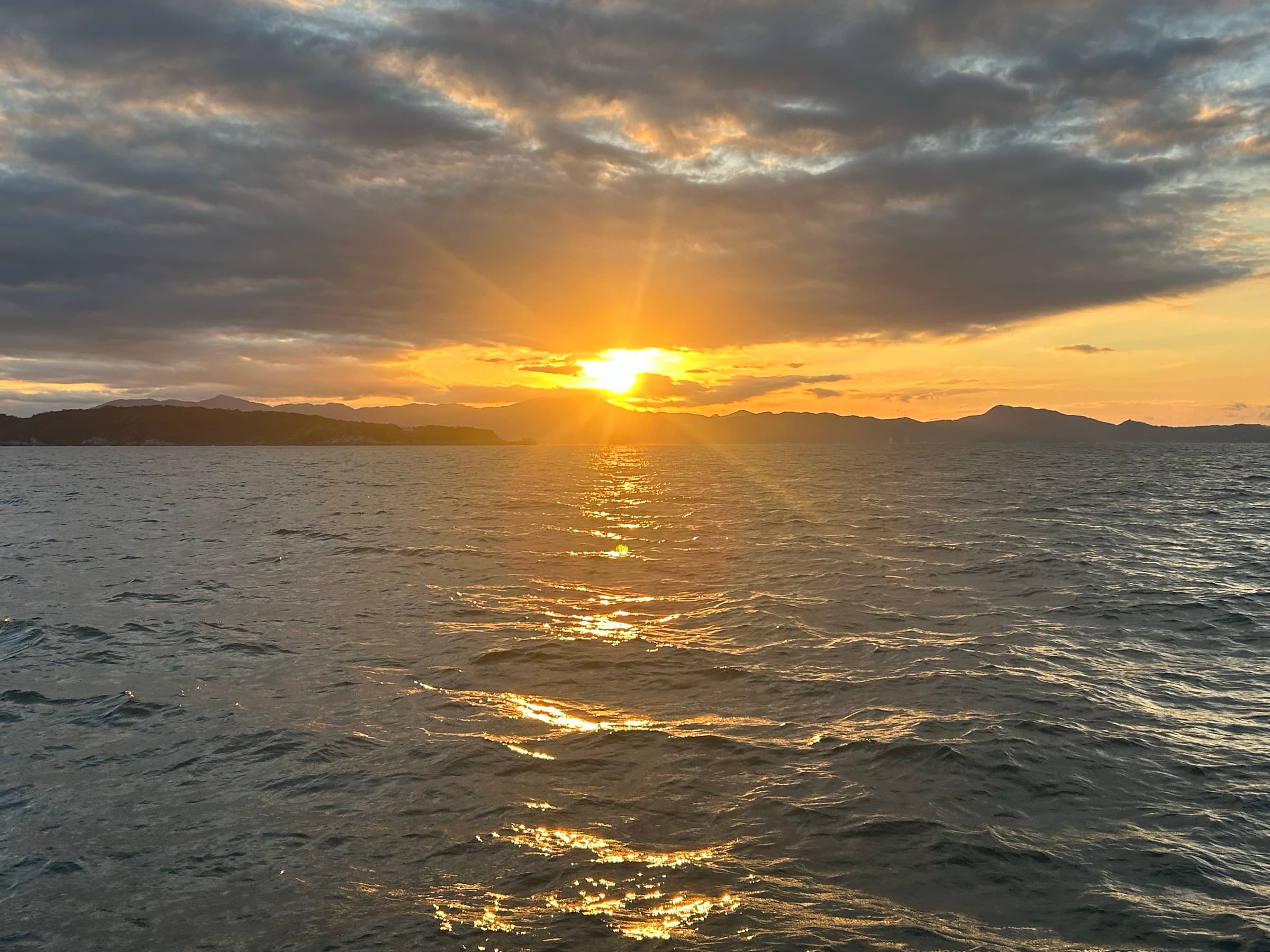
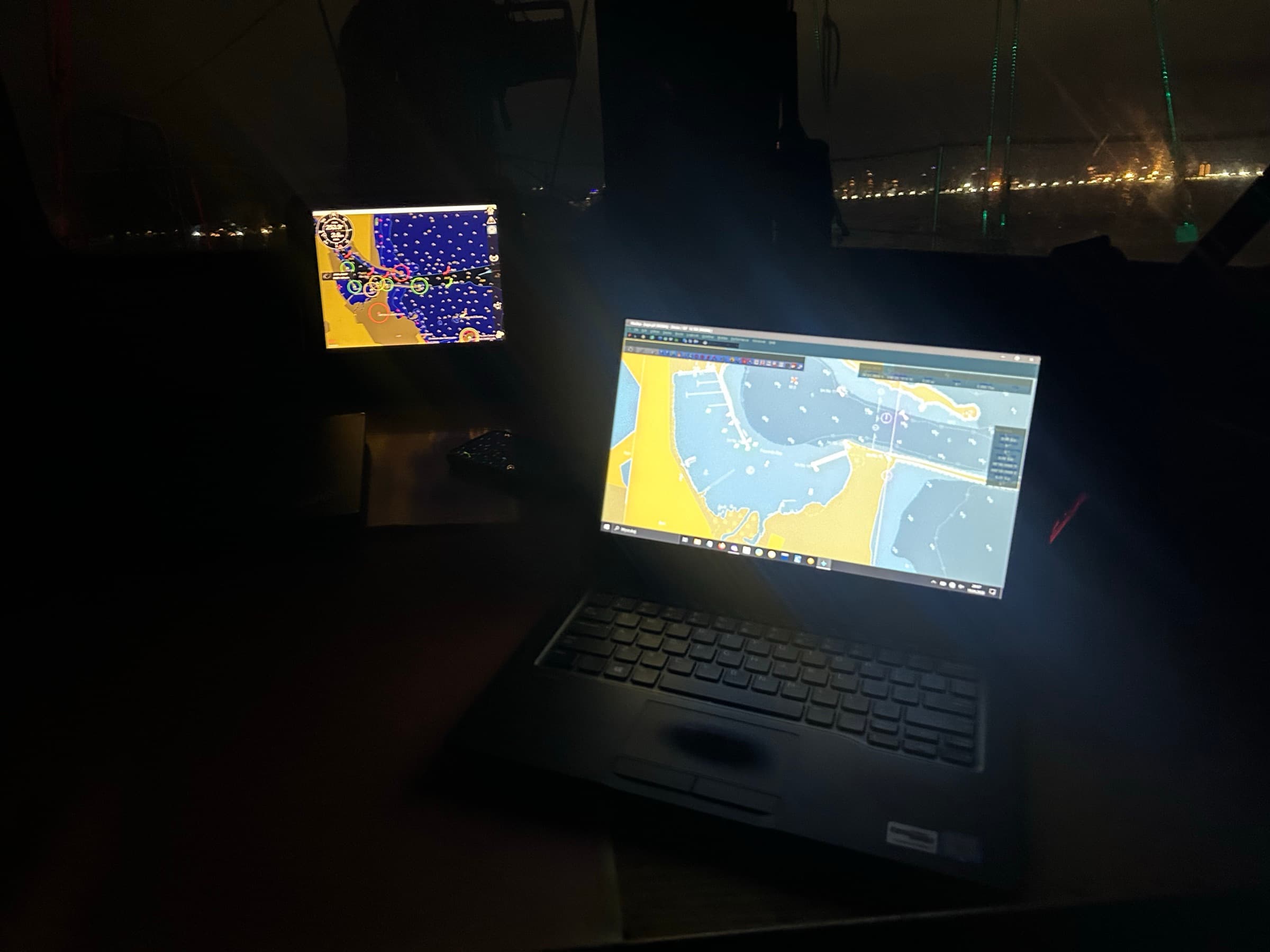
It was an extraordinary experience and the fulfilment of one of my old dreams. We sailed about 2,700 nautical miles from the Falklands to Brazil, across a stretch of genuinely demanding ocean.
During the voyage, though, I understood that sailing is not entirely my thing. For now I will stay with the bicycle and the kayak.